

Since its initial release on Nov. 28, everything’s coming up “Heated Rivalry.” The show follows the hidden relationship between two hockey players as they balance their increasingly complicated feelings with the expectations of the world around them. A fundamental reason for their secrecy is the lack of openly gay hockey players, as well as the sport’s association with hypermasculinity and homophobia. Though the show’s timeline begins in 2008, it still holds up a mirror to current issues in not just hockey, but all sports today.
I remember tapping into the loop in early December, when the fanbase was still niche, and watching the overnight success swell before my own eyes. Hudson Williams and Connor Storrie (who play the main characters Shane and Ilya, respectively) were previously working minimum wage jobs. Now, they have A-list celebrity status: presenting at the Golden Globes, serving as official torchbearers for the Winter Olympics, and walking the red carpet at the Oscars. When asked about how quickly he’s been thrust into fame, Storrie said, “I was fully prepared for nothing to really come of this… And it just keeps getting bigger and bigger and bigger.”
“Heated Rivalry” viewership has skyrocketed, with the number reaching an average of 10.6 million per episode in early February. The finale’s audience alone increased by 300% compared to the premiere week — and that’s only reflecting American viewership. People aren’t just watching, they’re recommending it to their friends, joining a growing online culture, and contributing to a global conversation.
I’ve joined the flock – “Heated Rivalry” has become a show I find myself watching again and again. There’s a long list of reasons why it’s so rewatchable; there’s a surprising number of hidden details, and its six-episode length is bingeable and undaunting. The charming push and pull of the characters’ storyline draws you in as it unfolds, over the course of nearly a decade.
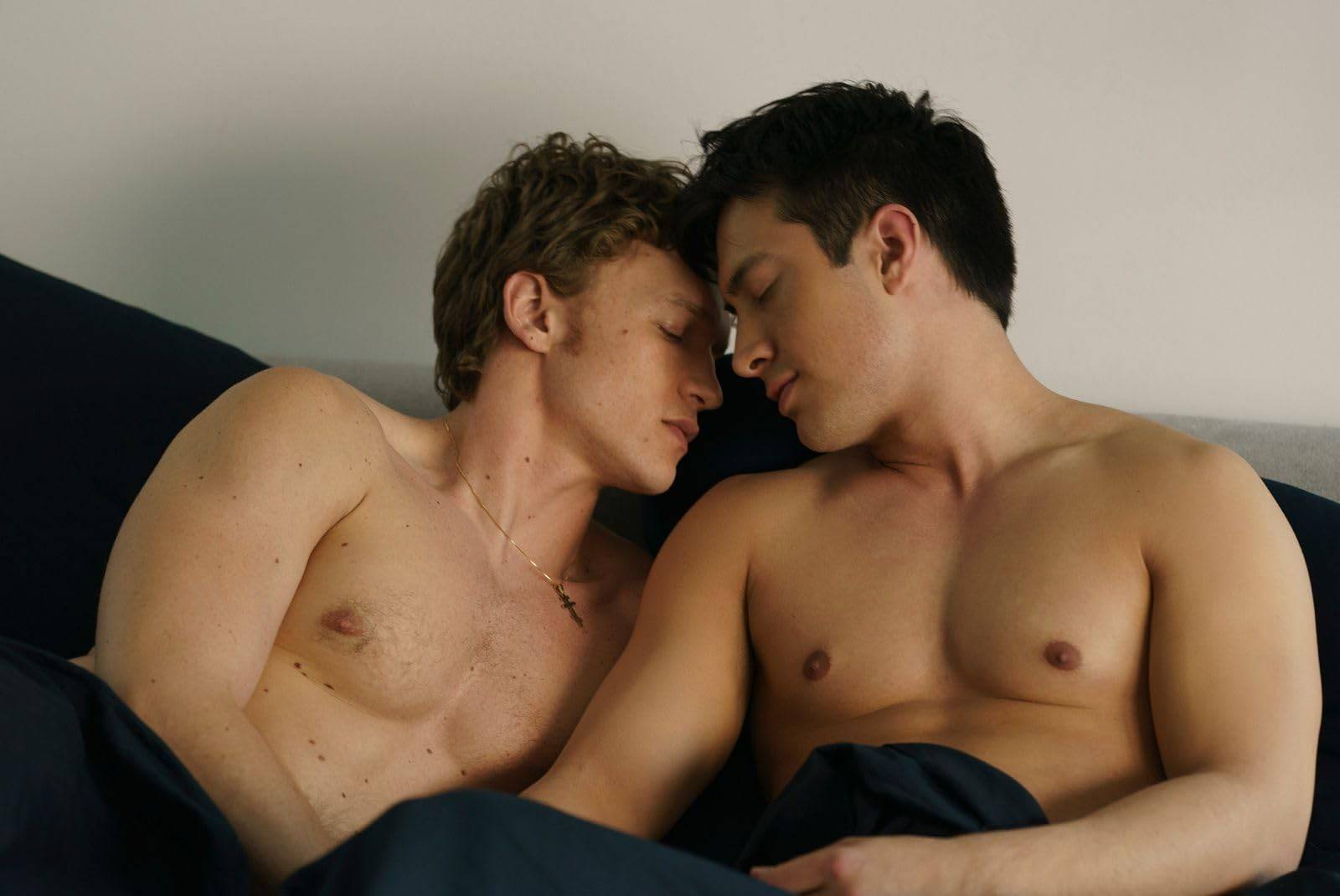
From a first glance, Shane and Ilya couldn’t be any more different: Shane is uptight, neurotic, while Ilya is playful and appears to glide through life with ease. What connects them is a growing display of vulnerability, an apprehensive warmth that builds in intensity over time until they can’t contain it anymore. The scenes between them are consistently sexually explicit – and for the first few episodes, you wonder if that’s all it is – until the emotional impact catches you by surprise. It’s a grounded representation of unfurling love we didn’t know we needed. They are the beating heart of the show.
To be queer – and trans, as I am – often means to be afraid. The fear of being forever alone, never truly seeing or recognizing yourself. Not just alone physically, but mentally, in my identity.
One of the most special scenes to me is when they go to Shane’s parents’ house after being discovered. It tears your heart open and stitches it back together. What it is to be in Shane’s shoes, hands clenched by your sides, frozen in fear because you have to expose a secret held tight to your chest for years. The possibility that you’ll be pushed aside, that your loved ones won’t know who you are anymore. The guilt of being this way. When Shane apologizes to his mom, he says he tried, he really did, but he can’t help it. What sets “Heated Rivalry” apart is how Shane’s parents respond – they accept not just Shane, but Ilya too. The season ends with Shane’s parents making dinner plans, because they love him, and life moves on. We sit with Shane and Ilya as they drive home, a little more at peace: there are meals to eat and hands to hold. The world didn’t end when they invited more people into knowing their true selves. If anything, it got better. Their circle got bigger.
All we want is for people to see us for who we are and say it’s okay, I love you, I’m sorry you couldn’t tell me sooner. It’s easy to get caught up in a cycle of paralyzed stillness, so scared that things will get worse after change, even if it means you could be happier. The hardest thing to do is to get yourself out of that loop. It’s said perfectly in the scene after Shane’s dad sees them together and leaves without a chance for explanation. “This is my nightmare,” Shane says, in a plummeting spiral. And Ilya responds, “Maybe it’s time to wake up.”
It feels impossible to stop feeling like I’m constantly in this half-space, reaching for a version of myself I will never be able to grasp. I think it’s for this reason that I love “Heated Rivalry” so much. It speaks to this wound. Watching Ilya and Shane’s love story gives me, and many others, a hope that feels too large to come from fiction. Shane and Ilya want something simple: to love each other, understand each other, and help each other. At first they are scared to open up, to say how they really feel, but in the end, it means everything. It’s an affirmation that this existence does happen, even if it feels like it never will. Not just romantic love, but community and acceptance, from others and most importantly from yourself.