

It would be an understatement to say that the world is stressful right now. There are a million reasons to be pessimistic or even apathetic to our country and the world; that’s likely why people resort to escapism, especially within entertainment spaces.
Escapism, according to expert in health psychology Dr. Ashley Oviline, is the act of “using activities like sports or media consumption to briefly step away from everyday stressors and difficult emotions.” Escapism within entertainment, whether books, games, or TV shows, has become a common coping mechanism. This, in and of itself, isn’t a bad thing; it has the potential to be a positive force in people’s lives. Even so, a lack of moderation and self-awareness can create internal chaos.
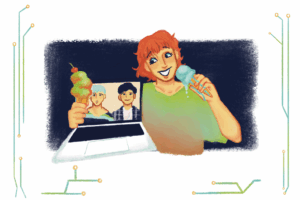
Escapism opens the door to community through spaces like fandoms, which invest themselves in a common interest of someone or something. People participate in these spaces by creating fan art, writing fan fiction, cosplaying, or simply talking about their shared interests. Thanks to the internet, they can virtually connect with almost anyone.
Professional counselor Dr. Meredith Hrebenek writes on her website about how these fandoms can provide recreational hobbies, which release stress and allow people to make connections, especially those unable to create community in their offline lives. Fandoms often act as pseudo-queer and neurodivergent spaces, allowing people to interact with like-minded people and find a sense of belonging.
Through representation, especially for people in underrepresented groups, the media allows people to see themselves and their struggles reflected back to them. Good representation has been linked to changes in the way one views themselves.
Dr. Janina Scarlet, a consultant of Hrebenek, writes, “In seeing our own pain reflected in the characters, it can give us the permission to build compassion and understanding toward our own suffering.” Seeing ourselves in a character can provide validation and the acknowledgement that we’re allowed to be in the media we love and take up space within the real world.
However, while many may find positives in the majority of fandom, there’s a loud, toxic minority.
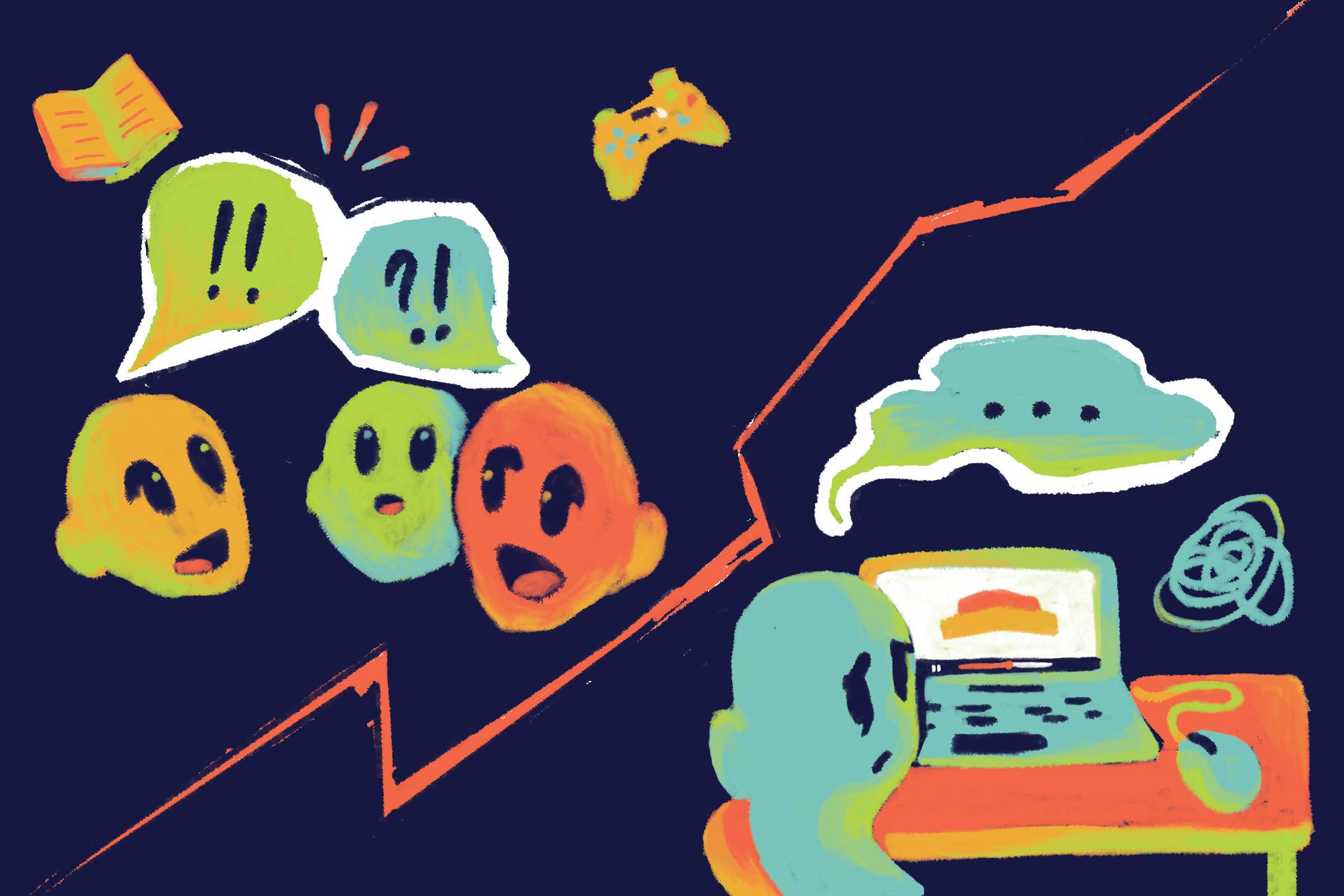
Beneficial escapism is momentary — a break for you to regulate yourself and understand your emotions. Escapism, when unmoderated, has been linked to addiction and withdrawal from socializing and daily responsibilities. The escapist fan connects so deeply with their chosen media that for someone to criticize it is viewed as an attack on their identity.
One example: the “Barbz.” The Barbz are known as superfanatic fans of Nicki Minaj, and are infamous for doxing, threatening, and harassing people who have criticized — or simply not completely sided with — Minaj. One of many victims is content creator Erick Louis, who criticized Minaj during her rap beef with Megan Thee Stallion. His address and phone number were leaked, and he received threatening calls for days. Fans indiscriminately target journalists, content creators, and critics. Music critic Pablo the Don lamented to Teen Vogue how it makes their job more dangerous.
This behavior stems from deeply held parasocial relationships — strong one-sided relationships with entities that don’t reciprocate. Fans attack critics for what they deem as attacks on the art, or for making decisions they don’t like, disregarding the artist’s own integrity. The creator of manga and anime “Jujutsu Kaisen,” Gege Akutami, has received death threats for (spoiler alert) his creative decision to kill off a fan-favorite character.
Obsessive escapism hinders our ability to effectively and constructively criticize the media. It makes the media shallower as audiences stop trying to make things that may be messy or meaningful. It harms spaces that are supposed to be fun and healthy escapes from reality.
At some point, you have to ask yourself, does this passion hinder me or help me? Am I taking this criticism personally? If so, how can I look at the situation objectively to better understand myself? That’s easier said than done. This media means so much to us that the idea of it hindering us is difficult to accept, but it’s worth it in order to keep the space inclusive to all.
It’s also good to disconnect from the interest from time to time. You could even join events that have nothing to do with the media you love — picking up different hobbies can help self-reflection, prevent withdrawal and isolation by taking out the virtual aspect of this escapism.
The arts have this beautiful ability to connect and touch our spirits. That’s why we escape into it. But at times, escapism can be detrimental to you and the spaces you occupy. Although we may not be able to completely stop toxicity in these spaces, we can at least keep it safe enough for people to interact with each other and for creators to create.