


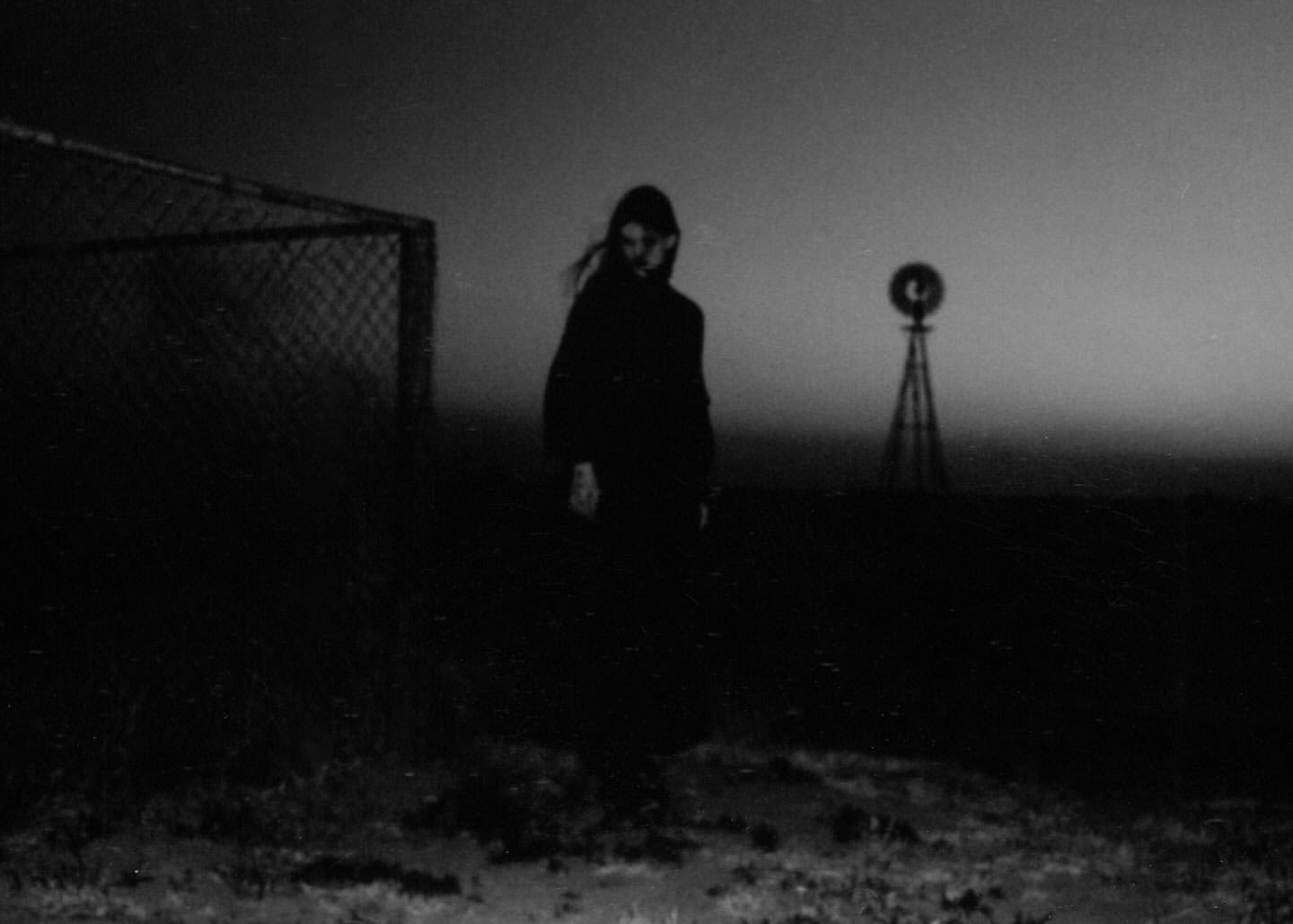
What do you play when you walk through the dark? As the days are becoming shorter and we grow ever closer to the annual night of haunting and celebrating the dead, I ask: what do you listen to when you want to feel scared?
The album “Perverts” by Hayden Anhedonia, better known as her stage name, Ethel Cain, is the fourth album released by the artist and, thematically, the darkest. Through heavy droning and spoken word, Anhedonia illustrates stories of desire, lust, shame, and loneliness. The album argues that though these feelings are universal to the human experience, they are also some of the most alienating. The tagline of the album, “It’s happening to everybody,” is a nod to this idea. These feelings are primal, but at the same time can make one feel deserving of the worst.
The album follows the life of an addict — the narrator. This narrator is addicted to the feeling of the sigh, an integral aspect of Anhedonia’s personal philosophy of life. She defines it as a euphoria so strong that it puts one flush with divinity. Throughout the album, the narrator repeatedly chases this feeling and consequently destroys and subjects themself to a life of isolation.
In “Punish,” the second song of the album, lines like “Same is sharp, and my skin gives so easy,” and “I was an angel, but they made me leave,” underscores the narrator’s feelings of isolation caused by the rejection society has for their very nature. The fifth track, “Onanist,” focuses directly on the narrator’s desire for pleasure. The song ends by repeating, “It feels good.” Here the narrator is seemingly addicted to the feeling they derive from the act of onanism (masturbation). This directly contradicts a line from the intro of the closing track, “Amber Waves.” This intro is actually a sample from an episode of “Little House on the Prairie,” in which a character is asking a doctor how much medicine they should take. Anhedonia uses the line the doctor replies with in the intro, “I would recommend that you take just as much as you need to feel good.” The narrator has gone beyond that in their search for pleasure, to the point where nothing works for them anymore.
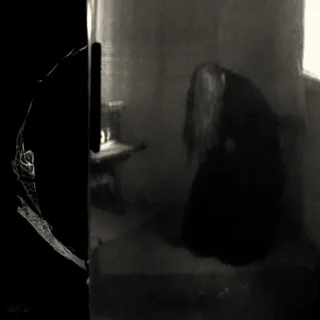
The album closes with the line “I can’t feel anything.” The narrator has destroyed all chances they have of feeling any sort of joy anymore, and I believe that is where the fear this album instills is at its clearest. This could happen to anyone. Everyone is searching for happiness, for pleasure at every point in their life. When it is found, one doesn’t want to let it go. Rather than utilizing more explicit methods of instilling fear, Anhedonia lets the story slowly unease the listener.
Anhedonia is known for her narrative work, her most popular being the story of “Preacher’s Daughter,” an album detailing the tumultuous life of Ethel Cain, a girl who grew up as the daughter of an abusive Southern Baptist preacher. Her work has long dealt with dark and horror-adjacent themes such as abuse, murder, and cannibalism. Rather than using a conventional narrative medium, such as film or writing, to convey these horrific stories she weaves, Anhedonia uses music. Rather than laying every aspect of her stories out for her audience, this decision to use music allows the listener to come to their own conclusion regarding the specifics of the stories. As a result, the listener is an active participant in the creation of meaning. The audience can feel a deeper connection to the story when they are filling in the blanks. Her work demands that listeners put themselves in the shoes of the one suffering. Her work demands vulnerability.
As a fervent enjoyer of all things horror, these bodies of work captivated me as soon as I discovered them. Their unique approach to horror makes them all the more interesting, not to mention how beautifully they are composed. For anyone looking for media to set the mood for the month of October, they need to look no further than the masterpiece that is “Perverts.”