

With the semester finally over and summer officially here, I am ready to relax and take a break from classes. While thinking about possible events and places I wanted to go, I couldn’t help but realize what I was seeking was in fact a “Beach episode.”
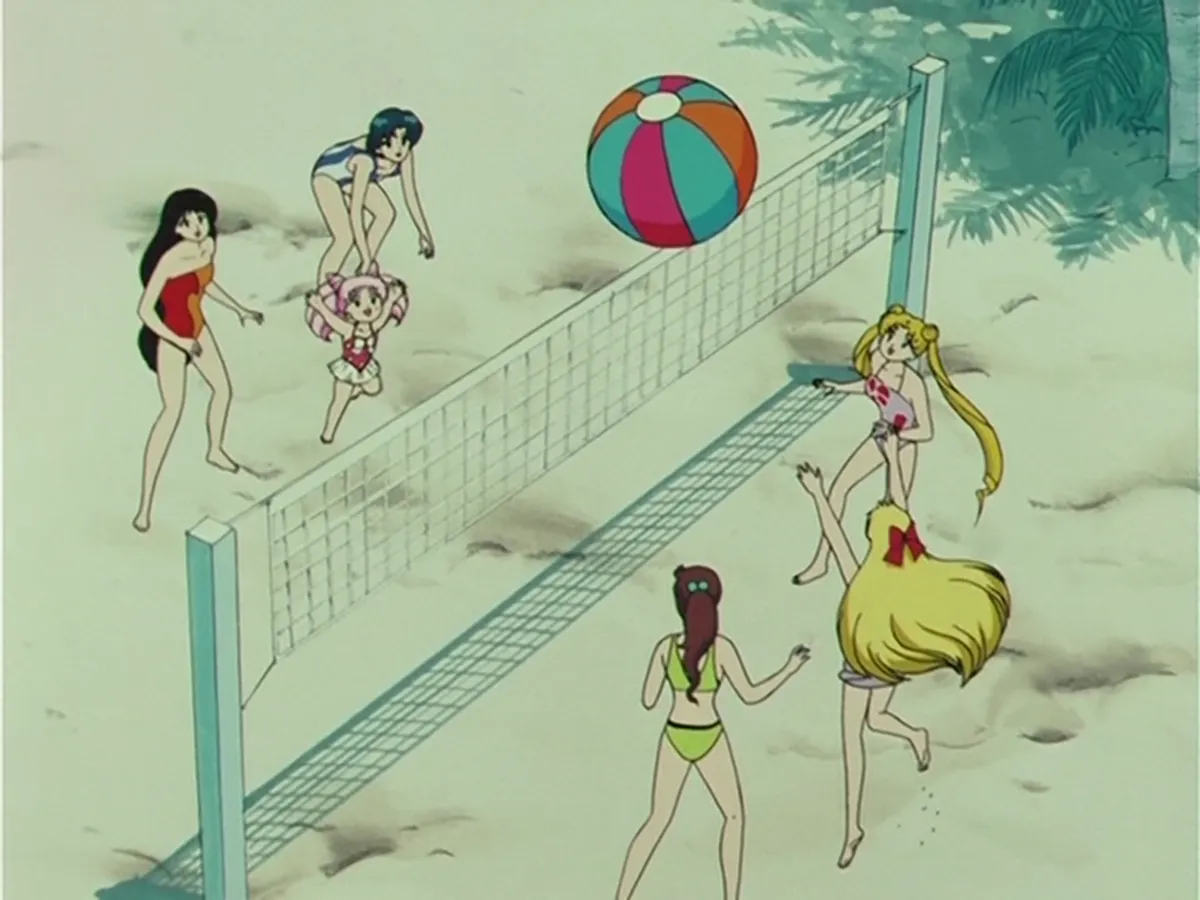
A “Beach Episode” is a trope within anime where the cast of characters take a break from their daily lives to have fun in the sun. “Mizugi Kai” or “swimsuit episodes,” as they’re referred to in Japan, can be found across several genres, from shonen with “My Hero Academia” to comedic romances like “Ouran High School Host Club.” Yet, with popularity comes criticism as these episodes have been known to be divisive within the anime community, either by virtue of simply being a filler episode or because of the amount of fanservice within them.
Which series featured the first beach episode is contested; some say it started with the “Astro-boy” episode “Sea-Serpent isle,” or with the 1980s romantic-comedy series, “Urusei Yatsura.” We can generally pinpoint the beach episode becoming popular around the 1990s, with series like “Nadia: The Secret of Blue Water” and “Palabro.”
Beach episodes became popular because of how they can function within anime series — often they work as filler episodes in order to pad out a season. A “filler episode” is an episode unrelated to the main plot that doesn’t significantly change the story. Within a 12 episode anime, there is a set episode quota to fill, and beach episodes are a perfect way to fill in those gaps. Oftentimes these episodes are television exclusive even in the original manga, like “Blue-Exocrist”’s episode, “Demon of the Deep Seas.”
Some criticize filler episodes as not doing anything for the story, or worse, deliberately taking away from the plot. This isn’t completely true; filler episodes can serve a purpose. They’re often the calm before the storm of a series’ plot or a break from the actual plot. For example, “Bleach” is a well-known action-packed shonen, but their beach episode, “Summer! Sea! Swimsuit Festival!!“, is a break from that, and it’s completely unrelated to any of the events happening at that time. They’re also a goldmine for characters to interact with each other, like in the aforementioned “Ouran High School Host Club” episode, “The Sun, the Sea, and the Host Club!“, where we get to see a vulnerable side of the main character, Haruhi.
Furthermore, if an anime is primarily a slice of life, or comedic anime like “Komi Can’t Communicate”, can it truly be considered filler? The whole point is to be lighthearted and fun. It makes sense to have a beach episode as it matches the rest of the tone of the series and focuses on characters and their interactions.
Others will say that beach episodes only exist in order to satisfy male viewers with fanservice. Although fanservice in itself isn’t always sexual, the type people criticize is. In most, if not all beach episodes, there’s long spanning shots of female characters’ boobs, butts, and legs. It’s even worse when these characters are underage, which is somewhat common in modern anime. There is truth to most beach episodes only existing to show butt and boobs, but this is based on the standard of the specific anime. In a harem anime like “Heaven’s Lost Property,” where we see fanservice to a distasteful degree, the beach episode will be just as distasteful. In anime like “Pretty Cure,” a magical girl show, their beach episode reflects the show’s overall wholesomeness.
It’s also important to keep in mind that beach episodes could be popular just because of the virtue of media reflecting the artist’s lived experience. Japan, geographically, is made up of 4 main islands with beaches attractive to locals and tourists alike. With this consideration, beach episodes could be seen as a product of the lived experiences from the author’s life. Viewers are often receptive to glimpses of the author’s life and culture as it creates relatability; Western viewers want to understand a perspective they may not be familiar with and Japanese viewers may appreciate their lives reflected back to them. This could be why other summer/school break adjacent activities like summer festivals, hot spring vacations, or going to a temple on New Year’s are also popular within anime. What better way to showcase lived experiences than with characters that viewers have come to love within a plot they’re invested in?
This phenomenon has influenced Western animation as well, with many cartoons including beach episodes. Although cartoons had beach episodes before anime’s boom in popularity within the United States (like Hey Arnold’s “Beach story” episode) many were introduced to the concept with anime-inspired Western shows. “Avatar: The Last Airbender,” for example, had an episode ominously called “The Beach.” To many, it raised the bar for the trope because it used the setting to force the antagonists of the show to be vulnerable and question why they’re like this. Illustrating how these young antagonists are the majority doing these actions out of insecurity, trauma, and an attempt at trying to control their own lives. Now, it’s fairly common to see Western cartoons have beach episodes, such as “OK KO,” “Craig of the Creek,” and “Gravity Falls.” Some Western shows play it up for laughs like the widely popular, “The Amazing Digital Circus,” which used their beach episode to be the comedic part of a very plot heavy episode.
Personally, I can’t imagine a reality where anime doesn’t have this widely used trope. I have come to find beach episodes endearing, and when done right, the beach episode accomplishes being an escape, not only for the characters on the screen, but for the viewer also. It’s hard to feel upset or stressed over the plot when the characters you’ve come to love are having so much fun on the beach. The beach episode reigns supreme as a staple within anime.