

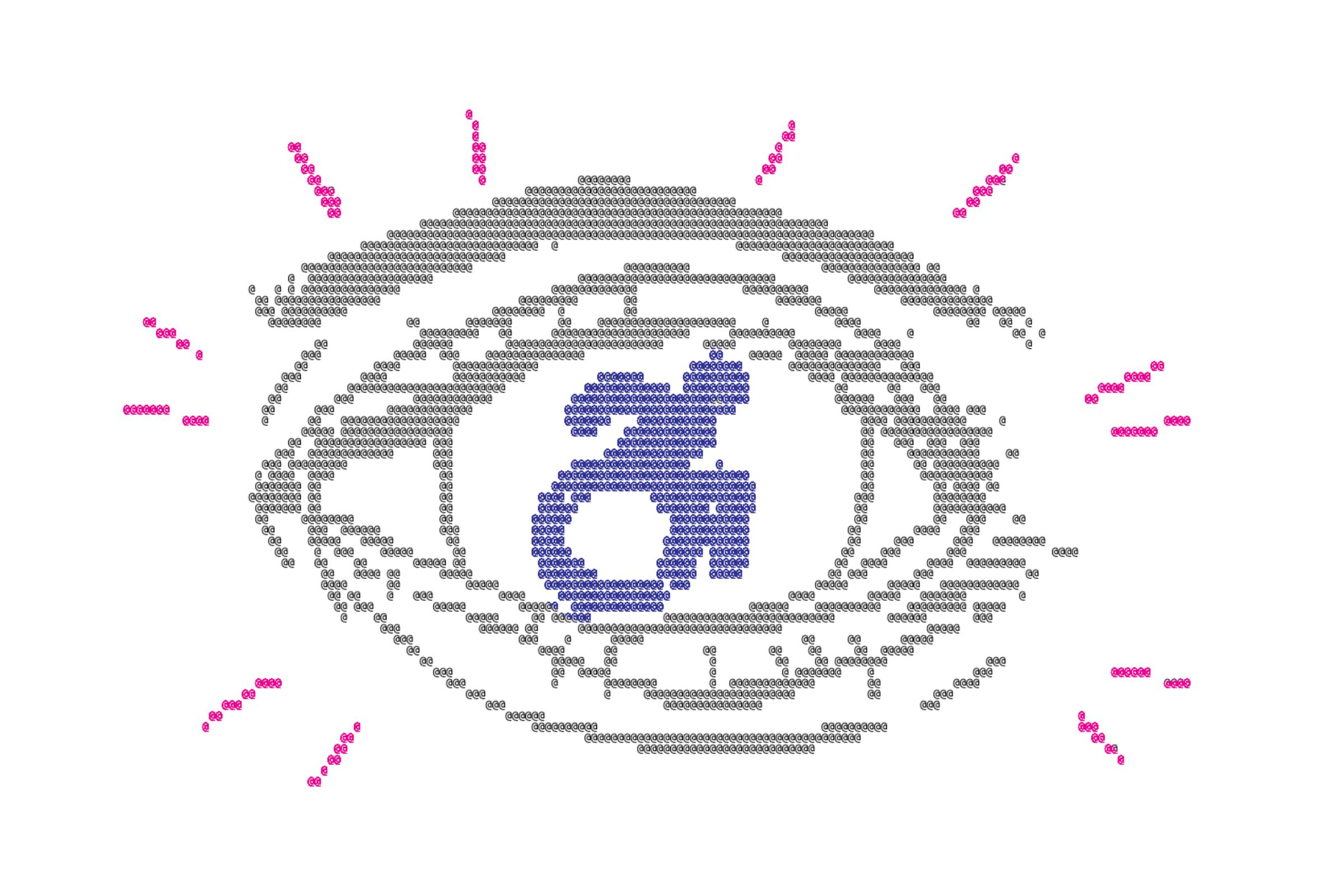
Okay, this might be a very niche experience, but have you ever found yourself in a theater, paranoid that the spotlight will suddenly hold you hostage at the most inopportune moment?
Or have you ever been harmlessly eating at the cafeteria and suddenly grown hyper-aware of the sound of your own chewing?
That is the closest I can get to articulating what it felt like to use my cane for the first time. I felt bogged down by what it implied, yet liberated by what it allowed. The tradeoff is allegedly worth it.
Here’s the thing — when you live with an invisible disability, no one really teaches you how to be disabled; how to look disabled. It really is a performance; as much a practice in convincing yourself of its legitimacy as in assuring others of it. The great thing about being visually impaired is that you cannot see the audience you are performing for. The not-so-great thing about being visually impaired is that you can still feel their eyes on you. It feels exactly as ominous as it sounds.
After I first bought my cane, I left it to gather dust, folded away in some forgotten cranny in my room. I figured the longer I procrastinated using it, the more time I had before I was forced to reckon with my embodied reality. When you make an invisible experience visible, you can no longer cower behind its facade; no longer reap the benefits of passing for.
Why, then, use the cane at all? To avoid the pre-emptive exhaustion I experience at the thought of having to explain my disability. To avoid having to fake the confidence of knowing exactly which button I’m pressing in the elevator. To avoid having to pretend like I have it all figured out when standing before the kiosk at the school cafeteria.
Basically, to reassure myself that I am, in fact, disabled enough to ask for help.
Invisible disabilities entail an immense amount of invisible work and a lot of mental gymnastics. For instance, finding the right moment in an interaction to precariously broach the topic of disability is a complex balancing act. It involves multiple considerations, such as gauging the politics of the opposite individual solely by the information available to you. For instance, in my experience, I have found that the way people feel about abortion often correlates with certain opinions about disability. I shall leave the specifics of such speculative discovery ambiguous, for I am an international student who would like to be able to claim plausible deniability.
Revealing your disability at the precise point in an interaction also demands the ability to make future projections. For instance, trying to approximate the extent of discomfort that the mention of your disability will bring about in the opposite person. To what degree would your disability remind them of their own mortality? As disabled people, we are constantly trying to ensure that we do not inconvenience those around us, in any capacity whatsoever, to avoid being any more unwanted than we already are.
These are far from the only situations that necessitate practiced pre-planning and detailed approximations based on extrapolations from prior experiences.
The thing nobody tells you about being visually-impaired — and not completely blind — is that you will continue relying heavily on your vision, until you make proactive efforts to exercise your other senses. This has a lot to do with how inextricable vision is with the way we experience the world around us. Consider, for instance, the expanse of vocabulary we have developed for vision as opposed to that for other senses, and how inseparable these words are from how we look at the world. There’s sight, insight, foresight, perspective, worldview, lens, framework. Can someone lacking vision be a visionary?
As I contemplated the invisibility of my circumstance, the notion of using a cane grew increasingly appealing. When it finally came time to use my cane, however, I realized that it wasn’t quite so simple. First, no one teaches you how to use a cane. There are no tutorials, no guidelines, no user manuals that come with a cane. Also, turns out, being looked at all the time is not much better than being entirely overlooked.
As expected, the way people looked at me when I used a cane shifted. I now witness in them a more present and consistent awareness of my disability. Unexpectedly, I find myself behaving more disabled than I am. I walk at a slower pace than I usually would. Or I choose to not wear heels when using the cane. All of this is because I am afraid of outing myself as not being disabled enough to use a cane, not being truly worthy of it.
I would love to tell you that I have found a resolution to these dilemmas. On the contrary, I have somewhat resigned myself to the possibility of never finding closure on the far end of my cane. What I will say, particularly in the context of art school, is that you should pick up that cane and use it, because, at the very least, it will generate compelling material to make art about.