

There isn’t a more important monster story than “Frankenstein,” a story where the monster is haunted by its creator.
When I found out Guillermo Del Toro was adapting Mary Shelley’s “Frankenstein” I was excited, but apprehensive. For most of my life, I was too young to understand or appreciate Del Toro’s films. Only after watching his Netflix adaptation of “Pinocchio” did I understand how much he loves monsters.
When I read the original novel by Shelley as a 13-year-old, I could only say I liked it and thought it was a good book. I liked the fact that it was written by a woman and started the science fiction genre. It made me feel a lot of feelings knowing that she wrote it at 16. But it actually wasn’t until I read another work of science fiction that I became obsessed with Frankenstein’s monster.
In 1967, 38 years before I was born, Harlan Ellison wrote the short story, “I Have No Mouth, and I Must Scream.” In many ways, the two stories differ immensely. Shelly was pioneering a genre while Ellison was writing in an already very popular genre. Yet both stories are about the same thing: humanity creating a life that it can’t love.
In “I Have No Mouth, and I Must Scream,” an artificial consciousness, known as AM, awakes from computers that honeycombed the entire earth’s crust. It immediately seeks revenge on its creators because as Ellison puts it, “AM could not wander, AM could not wonder, AM could not belong. He could merely be.”
Once AM kills the entire human race, it keeps five humans alive to torture for the rest of time. The narrator, one of these five, recognizes that though he is a victim of AM, AM too is forced to exist painfully as a victim of humanity.
Shelley’s depiction of the monster feels apt in comparison. At one point in the original “Frankenstein,” the monster spends his time in a shed attached to a cabin spying on a family through a hole in the wall, learning to read. He fantasizes about joining the family and how he would go about it. In the end, he is ultimately feared and shunned for his otherness. Despite his learning of their habits and intimate rituals, he cannot belong.
Guillermo Del Toro walks a careful tightrope in balancing an adaptation of not only the original narrative, but the many Frankenstein adaptations since. The important elements are all here, the lightning bringing the monster to life and his creator reviling in his creation.
However, with every adaptation of Frankenstein two things are altered irrevocably from the original text. In the novel, we are never told how Viktor raises the dead. Shelley opts to keep it a mystery. However, if you are trying to make a successful movie you need, well, lightning. The other change is more subtle but vastly more crucial in how the film addresses its monster — every film adaptation of Frankenstein is made by a man, not a woman.
Del Toro’s perspective aims to look specifically at fathers harming their sons. The film begins with a crew stranded in the arctic, mining through thick ice to free their ship from its grasp. They witness an explosion in the distance only to find Viktor Frankenstein (Oscar Isaac) half dead on the ice. As the captain nurses Viktor back to good health, Viktor recounts his tale almost as a warning to the captain.
We learn Viktor’s father was an expert surgeon and trained Viktor to be everything he was and more. When Viktor’s mother dies in childbirth for his brother, he blames his father for his mother’s death and becomes obsessed with creating life and defeating death.
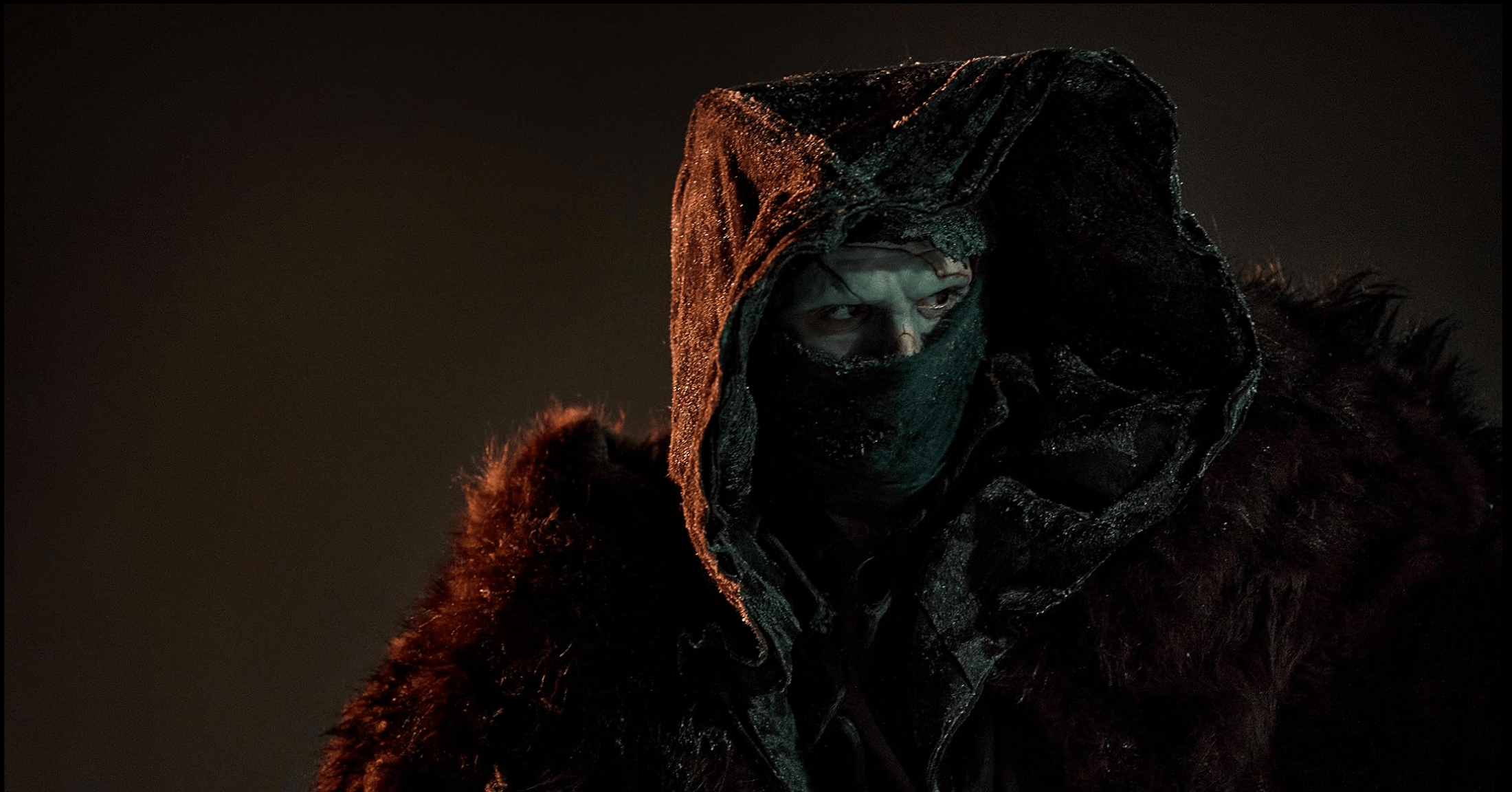
Viktor meets a benefactor willing to pay for his research if he can create life. Once he does, he believes it to be a mistake. He berates the monster for its inability to speak and treats it like an animal. In a biblical sense, Viktor is not god creating Adam, he is more like god creating Lucifer. In reality, the monster was created to serve and fuel Viktor’s ego, not because he wanted a friend. Unfortunately, the monster is unkillable and for his ghastly appearance is outcast.
Jacob Elordi does a phenomenal job embodying the monster. The physicality he brings to the role in his size and body language conveys exactly how the monster feels. Elordi seems to recognize the monster is childlike and never hides its intentions in its posture.
Del Toro ensures that his own additions compliment the tale in ways previous have not. There is a much larger focus on the relationship between fathers and sons in the film, both between Victor Frankenstein and his father as well as Victor and his monster. I saw the movie in theaters with my father and felt the chain of fathers and sons Del Toro was pulling on.
The force pulling in both directions, wanting to live up to your fathers expectations, and wanting to be better and live up to your own expectations of childhood.
What Del Toro does, that neither Shelly nor Ellison did, is let Viktor be forgiven. After Viktor tells his tale in the novel, he dies shortly after. The monster vows to destroy himself after seeing his creator’s corpse and vanishes. Like in “I Have No Mouth And I Must Scream” where AM is left torturing the last human on earth, this justice is empty. The crime of creation is not repaid in self destruction, only subverted. However, in the film we get a different ending.
In a heart wrenching moment, where the monster sits with his dying creator, Viktor begs for forgiveness for all the pain he has caused his creation. He urges it to live. Our final shot of the movie harkens to the monster’s first waking moments when Viktor teaches him how to bask in the sun. We see him, after his creator’s passing, basking in the arctic sun, choosing to live.