


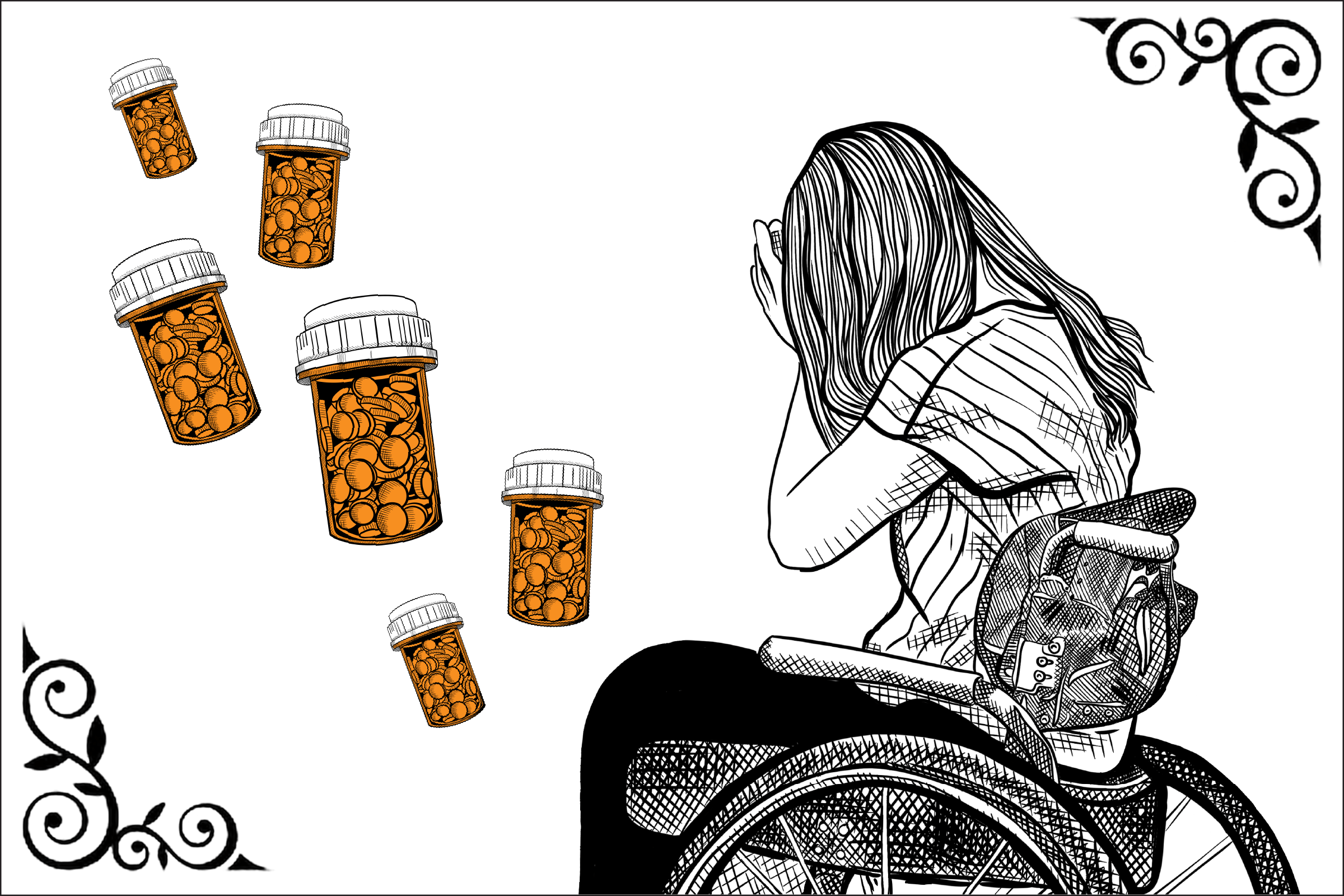
Lindsay Clancy. Most Americans know her name from the nearly six-week trial that began in July. Clancy stipulated that she killed her three children, 5-year-old Cora, 3-year-old Dawson, and 8-month-old Callan, by strangling them with an exercise band. After the deaths, Clancy attempted to take her own life by jumping from her home’s second-floor window, which left her paralyzed from the waist down.
The death of three children is an unspeakable tragedy. Nothing can diminish the lives lost or the grief carried by their family. But tragedy is not the same thing as criminal culpability.
Clancy’s attorney, Kevin Reddington, argued that she was suffering from postpartum psychosis. According to the defense’s evidence presented at trial, Clancy was allegedly experiencing profound psychiatric deterioration after childbirth, marked by extreme insomnia, suicidal and intrusive thoughts, hallucinations, delusions, and symptoms the defense experts identified as postpartum psychosis.
Clancy said she recognized something was mentally wrong; she was suffering and terrified. She knew it was more than depression. Prior to the killings, she was desperate for help: Clancy checked herself into an inpatient psychiatric hospital, was turned away from an emergency room, called a suicide hotline, sent devastating text messages pleading with her parents and in-laws for help and support, and reached out to 12 different medical providers, who prescribed Clancy over 13 medications in just four months. She told her doctors that she was struggling to distinguish between what was real and what wasn’t, and reported hallucinations and panic attacks.
Her husband at the time of the killings testified that she “described thoughts of hurting the kids,” even as far as two months before the killings, and that said, “She started to say that she was suicidal.”
Paula Musgrove, Clancy’s mother, testified that her daughter became more paranoid, was afraid to sleep alone and that she believed her medications were negatively affecting her mind.
A text message sent to Clancy’s mother said she was very sick, had severe insomnia, felt scared, and did not want to be alone. Her mother-in-law testified on the stand that Clancy was “begging for help.”
Clancy and her ex-husband filed several lawsuits against the doctors and hospitals that were responsible for her treatment. She is suing for negligence and medical malpractice, while her ex-husband is suing for wrongful death.
What’s highly unlikely in an insanity defense is for every single person close to the defendant to testify on their behalf. But that was the case for Clancy: her parents, in-laws, husband, and co-workers all agreed that she was a wonderful mother. Her sister, Allison Ozgav, said her sister’s mood “did not look good,” and that she was “very much decompensated.” Clancy told Ozga, “I’m in a really tough spot… and [I’ve] had suicidal ideation every day for a month.”
Eleven of Lindsay Clancy’s 12 jurors believed she didn’t receive adequate mental health treatment and thought a verdict of not guilty by lack of criminal responsibility would lead to her “getting the help she needs,” juror Paula Devlin told CBS News. “Everybody wants justice for the children. Those children never left that room,” Devlin said. “This wouldn’t have happened if Lindsay didn’t get lost in the system and failed by the system.”
Criminal punishment rests on a basic premise: that a person has sufficient capacity to understand what they are doing, and to be held responsible for it. The insanity defense exists because the law recognizes that premise has limits. Mental illness alone does not erase responsibility, but severe psychosis can be fundamentally different from ordinary distress, depression, or poor judgment.
A person experiencing psychosis may perceive events that are not occurring, believe things that are demonstrably false, and interpret the world through a radically altered framework of reality. If that is what happened to Clancy, then describing her conduct simply as a conscious decision to kill her children risks overlooking the very fact that the law requires us to examine.
The defense is not asking the jurors to pretend the killings did not happen. It is asking us to determine whether the person who committed them was mentally capable of bearing criminal responsibility. That is a legitimate question of law, not an appeal for sympathy.
There is a deeper moral issue here. We readily understand that society does not punish people for having cancer or suffering a seizure. Severe psychiatric disease can also profoundly affect perception, judgment, and behavior. The difficulty is that psychiatric illness is invisible. There is no scan that can show a jury exactly what a psychotic person believed at a particular moment.
That does not make the illness less real. It makes the evidentiary question harder. The answer cannot be to assume that because the conduct was terrible, the person’s mind must have been functioning normally. If anything, the severity of the conduct makes the psychiatric inquiry more important.
There is also something profoundly troubling about a society that waits until a psychiatric crisis becomes a criminal case before confronting how severe it was. If Clancy’s deterioration could be recognized only retrospectively, that should concern all of us. If warning signs were present but fragmented across providers, that should concern us. If treatment was provided but the crisis nevertheless escalated beyond what the system could contain, that should concern us.
And if families confronting severe psychiatric deterioration lack an effective way to obtain appropriate intervention, that should concern us most of all.