


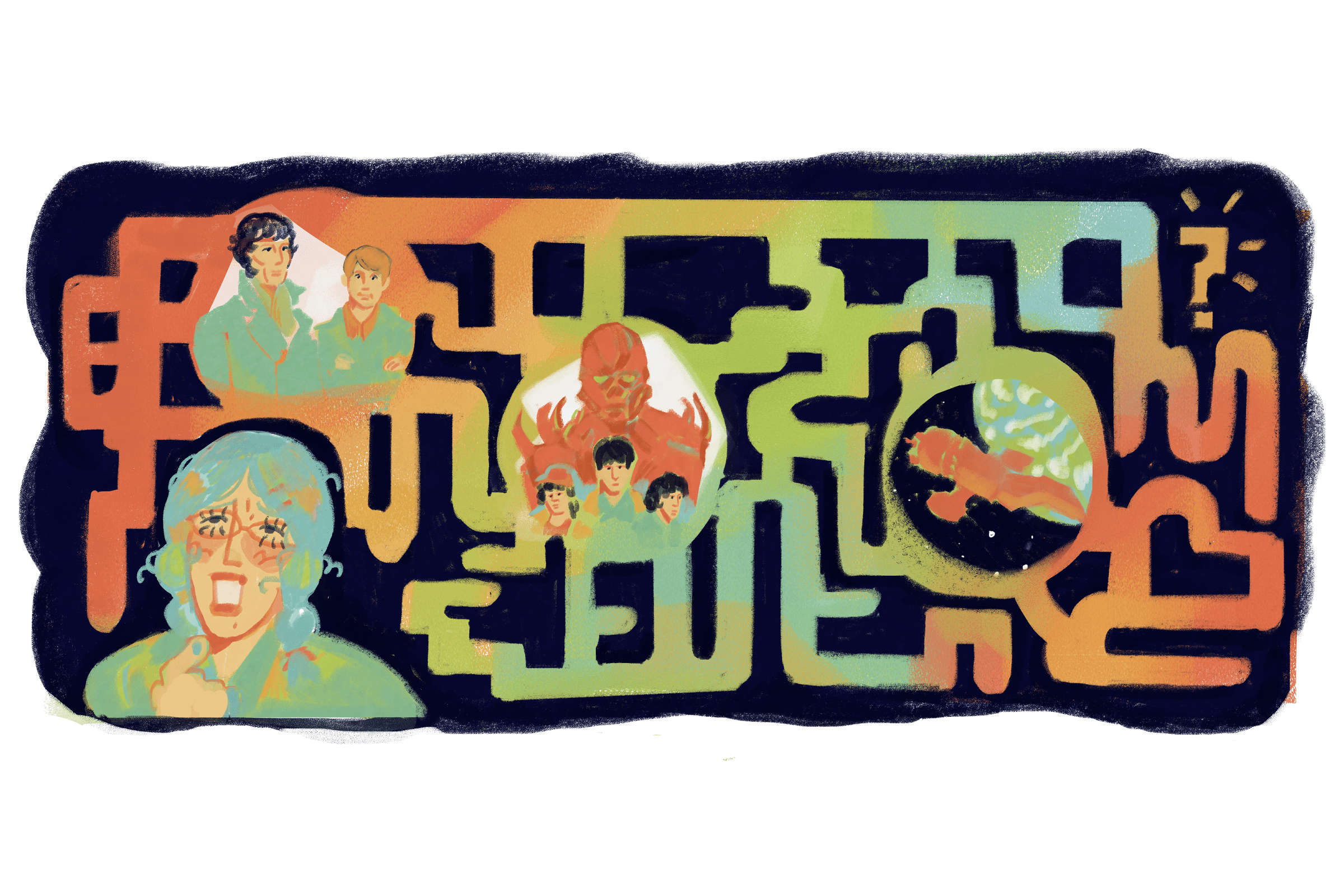
A great story deserves a great ending, right? Television shows contain some of the most beloved stories of the last century. But more often than not, their endings fall flat. Shows are cancelled on cliffhangers or worse — given the “Game of Thrones” treatment and throwing away seasons of build-up for supposedly shocking, but ultimately unsatisfying endings.
Then you have shows like sci-fi cult classic “Firefly,” where fans speculate for 25 years about the short-lived show returning. With only 14 episodes and a later-released movie, fans of the show have always clamored for more of the rag-tag space Western. On Mar. 15, lead actor Nathan Fillion released videos with his fellow cast members announcing that long-dreamed-of reunion.
“Firefly” fans (I see you, fellow Browncoats) might’ve been shaking the monkey’s paw in terms of getting what they asked for. The new revival turned out to be an animated series set between the original show and movie, which currently doesn’t have a streaming platform agreeing to release it. Fans were disappointed it wasn’t a proper live-action revival. However, of Joss Whedon’s cult classic shows, “Firefly” is still thriving more than the “Buffy the Vampire Slayer” revival that, earlier this month, was abruptly cancelled while in production.
No one wants their favorite TV show to be over, especially when it’s either been cut short or has an unsatisfying ending. Like it or not, almost every TV show has to come to an end eventually. But when shows cultivate large fanbases, it becomes even harder to let go, and the corporations profiting off those shows don’t want to let go, either.
“Lost” famously wasn’t allowed to end after its third season because it was a cash cow for ABC. Three seasons later, the series finale became one of the most hated TV finales of all time.
It’s impossible for these gigantic shows to have satisfying endings. Nothing can be written that will satisfy every audience member; furthermore, audience satisfaction isn’t valued as much as shock value or profit.
Sometimes, a TV show ends, and its fans turn into conspiracy theorists. Obviously, that terrible ending can’t really be the last episode! The flames are stoked by the show’s creators wanting them to look for clues, teaching their audience to treat every subtle detail as important, even when it clearly isn’t. A social media echo chamber is created, and an entire fandom becomes convinced that there is secretly a real final episode they either need to wait for or uncover.
The most recent well-known example of this conspiracy phenomenon is Conformity Gate, the belief that there was a secret finale episode of “Stranger Things” because people were so disappointed by the real ending. The bad writing wasn’t clues leading up to anything. It was just sloppy and underwhelming.
In 2017, fans of BBC’s “Sherlock” adaptation were so unhappy with the series ending that they convinced themselves that the premiere of an entirely different TV show called “Apple Tree Yard” was secretly to be “Sherlock”’s real series finale. The premiere of “Apple Tree Yard” was then review-bombed when it turned out to have nothing to do with “Sherlock.”
Adult Swim is facing a similar issue with the announcement of their recent hit “Smiling Friends” ending. On Feb. 25, creators Michael Cusack and Zach Hadel posted a video to the Adult Swim YouTube and X accounts explaining that the show wouldn’t return for another season even though it had been renewed, because they feel burned out. Fans were (and continue to be) split on whether or not it was a joke, despite Hadel and Cusack’s repeated assurance that they were serious.
Even when fans aren’t deluding themselves about a final secret episode, holding out hope for more of your favorite TV show is extremely common. Fans of popular anime like “Ouran High School Host Club” and “Yuri! On Ice” are still holding out hope years after the shows ended for either the next season or a movie.
When beloved shows that ended years ago do get a reboot, the reboot never lives up to the hype. Consider “Gilmore Girls: A Year in the Life” — because seriously, were any fans of the original series happy with the decisions made about the beloved characters in the reboot?
In the modern age of streaming, we live in a media landscape that bounces between cancelation, keeping a show past its prime, tanking the series finale, and nostalgia bait reboots. It’s a snake eating its own tail.
Understandably, fans are left expecting more. We’re being taught not to want the show to end. Even if we were given that secret finale episode or one more season, that ending still wouldn’t be able to live up to our hopes.
Maybe “The Simpsons” has pulled it off best. Though the show will never truly end, the season 36 premiere portrayed what a series finale would look like, giving the audience an ending without ending the show, all while making fun of the very idea of series finales.