

On Saturday, Oct. 18, demonstrators gathered in Grant Park for Chicago’s “No Kings” rally. Organizers called the demonstration the “Hands off Chicago” protest. Nationally, millions of people marched in protest of President Donald Trump’s increased immigration enforcement and military deployments. Chicago, in particular, has become an epicenter of the Trump administration’s immigration crackdown.
The rally began in Butler Field at noon at the Petrillo Music Shell, where speakers called for action, including Gov. JB Pritzker and Mayor Brandon Johnson.
“We will never surrender […] The reality here in Chicago is this: Black and Brown people are being targeted for the color of their skin. Children are being zip-tied and separated from their families […] These people are not abstractions,” Pritzker said.
The path was two miles through downtown along Michigan Avenue and near the Trump tower. As many as 250,000 people showed up, surpassing June’s “No Kings” protest numbers of around 75,000.
School of the Art Institute of Chicago students showed up to join the protest, some exiting the 280 Building to walk right into the crowd.
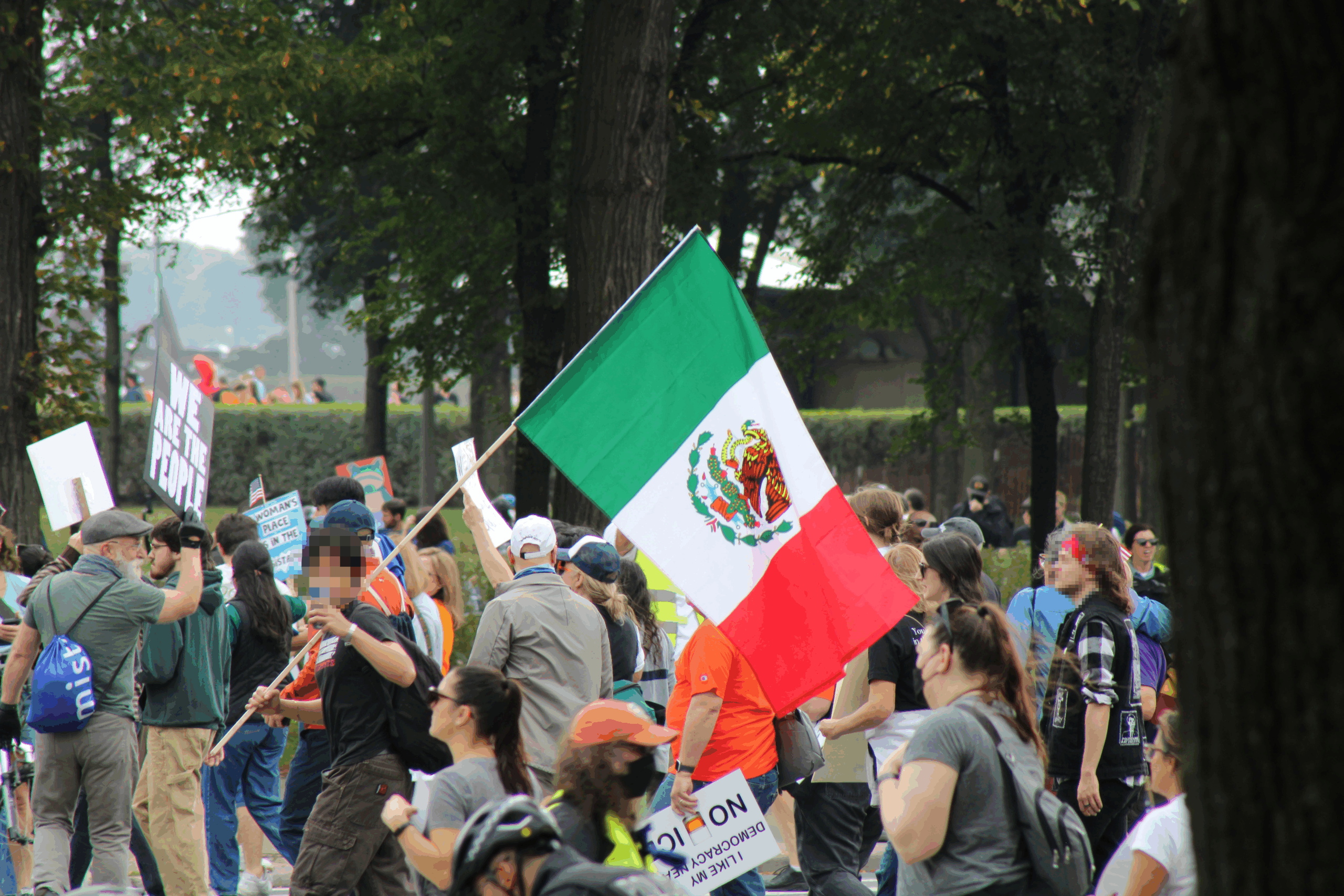
“As a Mexican-American individual, I felt seen and protected by our community. I was happy to see the amount of people that showed up today standing up for what’s right,” SAIC Student Michelle Perea (BFA 2026) said.
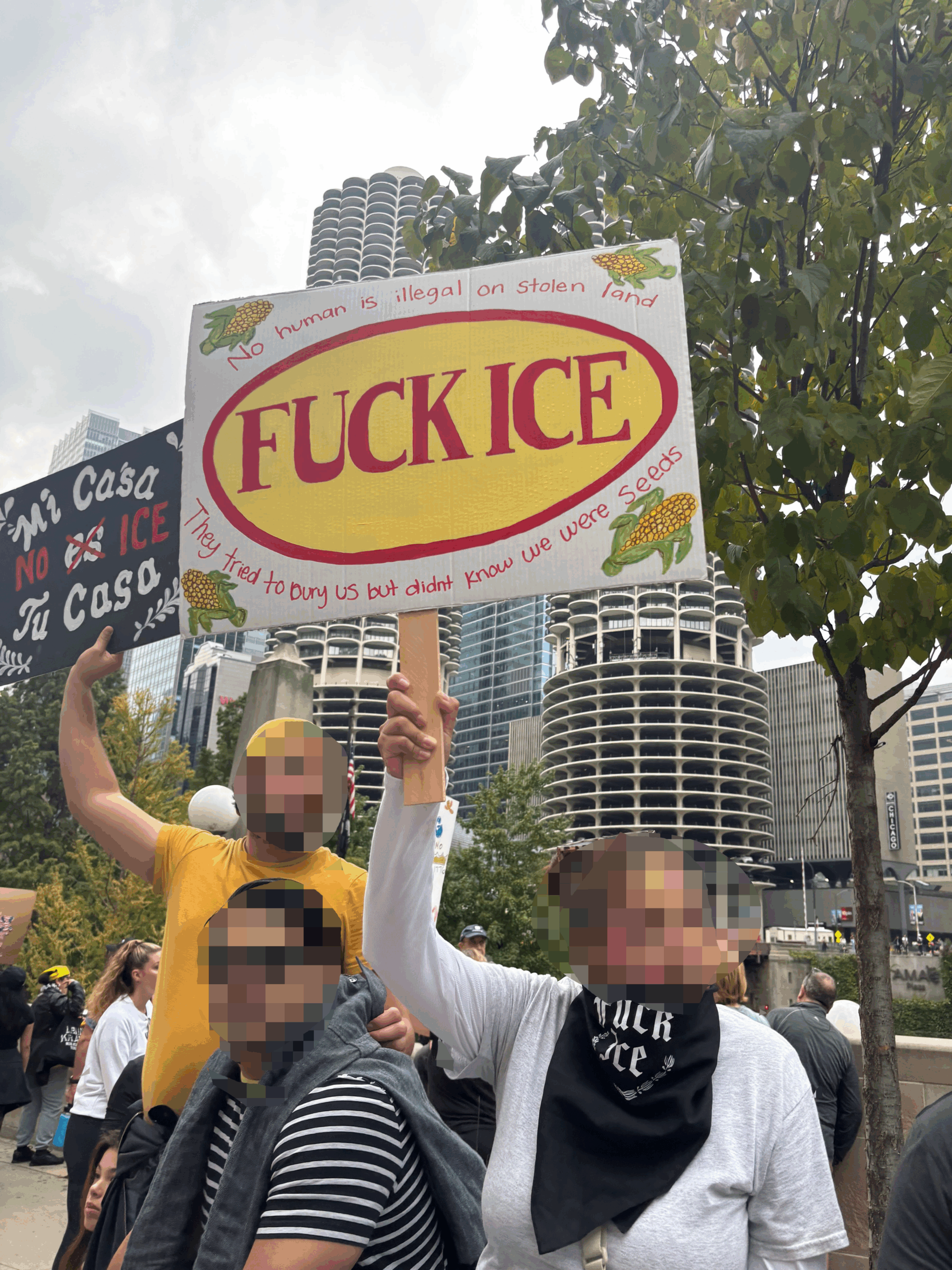
SAIC student Theo Rorem (BFA 2027) said the energy of the crowd brought hope in a depressing time.
“Seeing that there are so many people who genuinely care was exciting, like we’re not alone while crazy shit is happening all over the country.”
Rorem noticed that all different types of people, like activists, artists, and politicians, were fighting for the same thing and doing what they could “to bring attention to the horrific actions of our president and his allies.”
Rorem also said the event was great for supplying a platform for marginalized voices by “highlighting speakers with real experience who refuse to be silenced.”
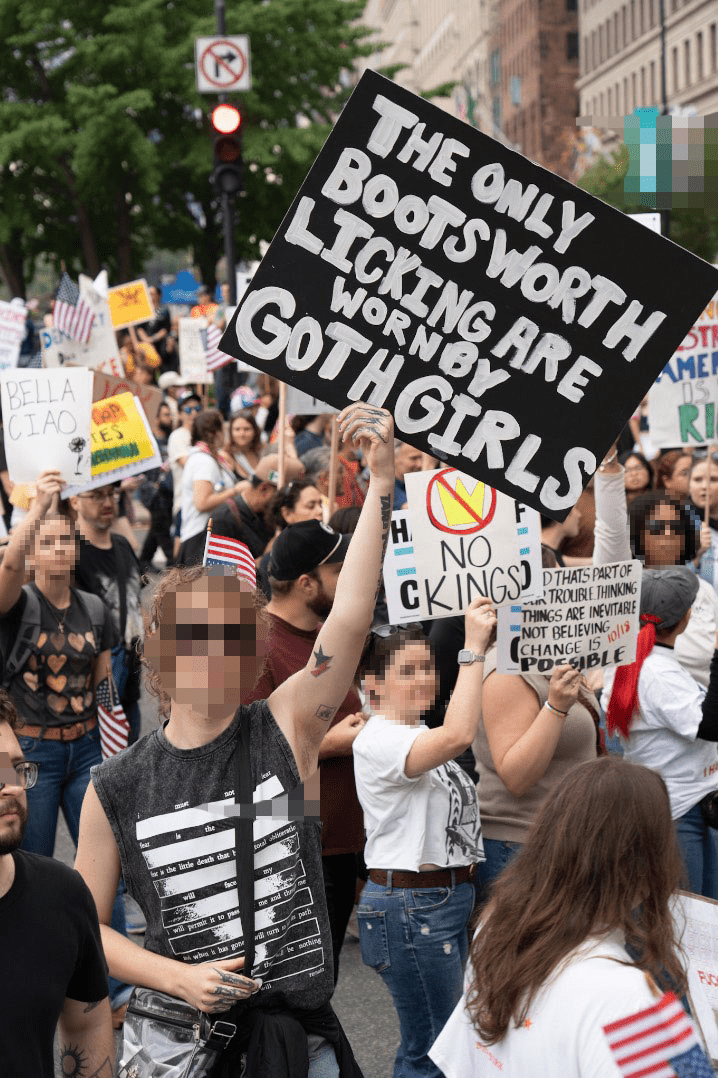
“I was shooting photos from the base of a traffic light, and it took an hour before I could see the end of the crowd. It was a beautiful day for Chicago,” said an SAIC undergrad who asked to stay anonymous for privacy reasons.
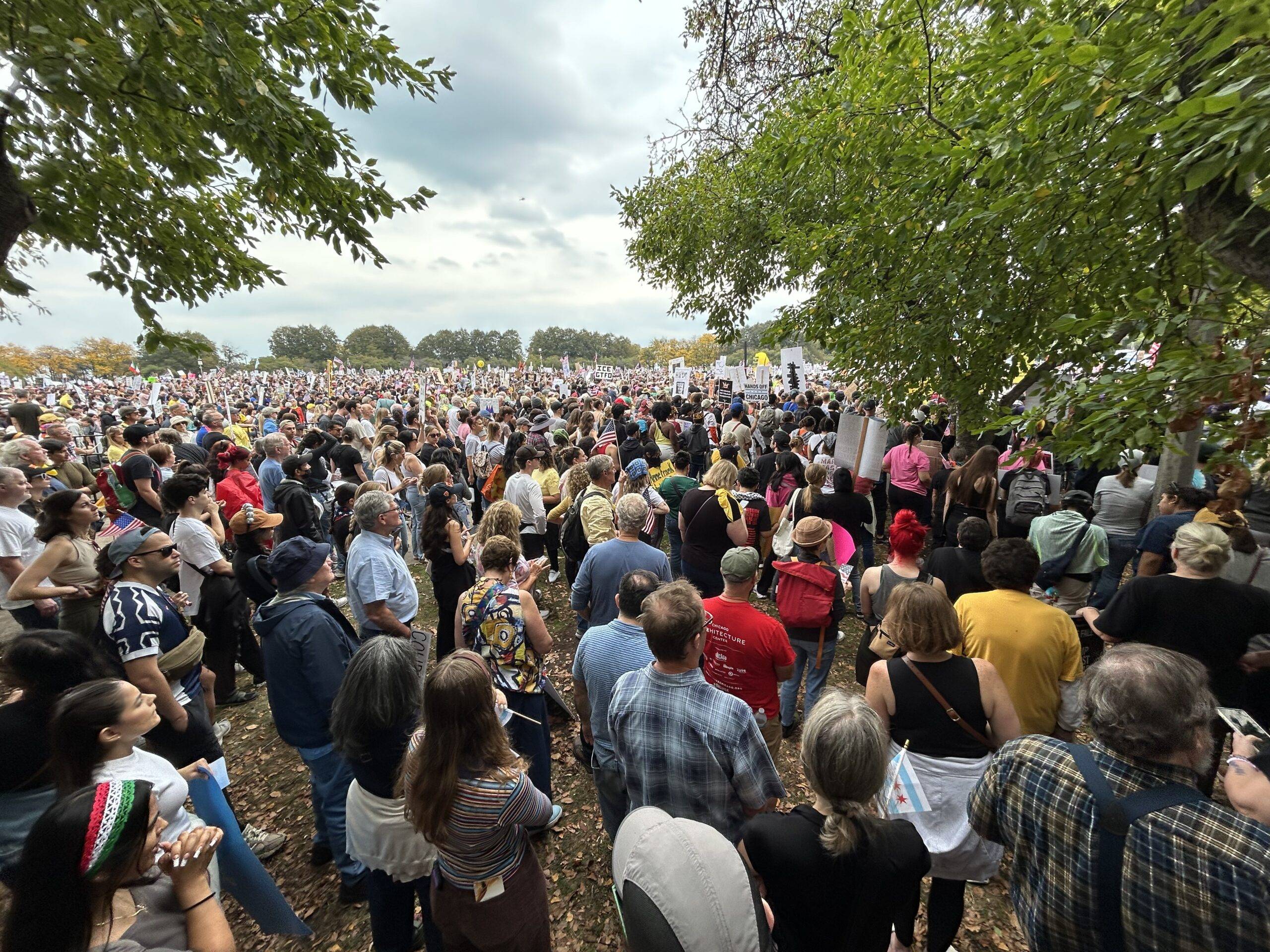
“Seeing so many people of different ages, races, genders, religions — all still Chicagoans — fighting for this country, makes me so proud to be an American and living in Chicago,” SAIC student, Esther Asher Hacohen (BFA 2027) said.
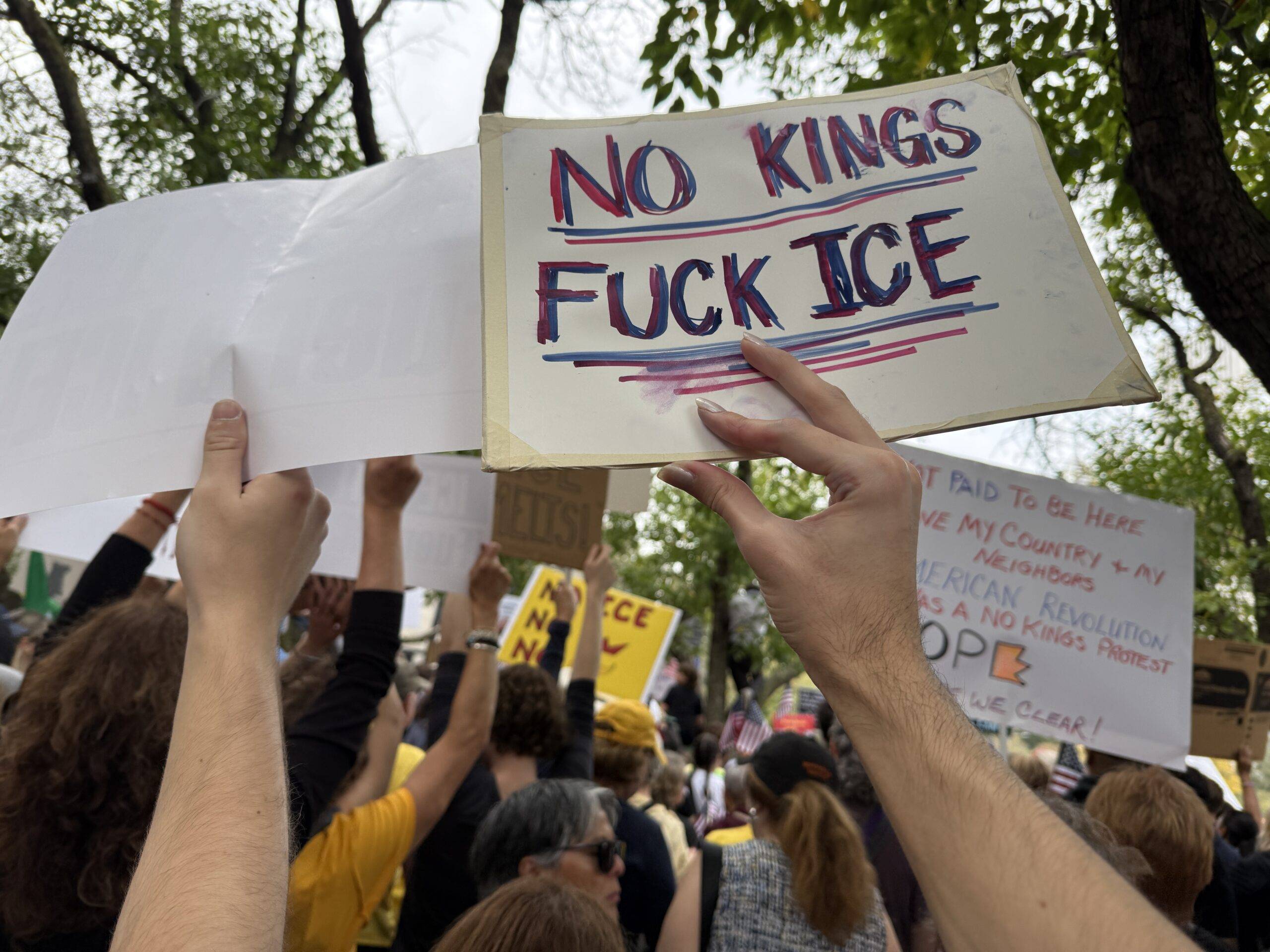
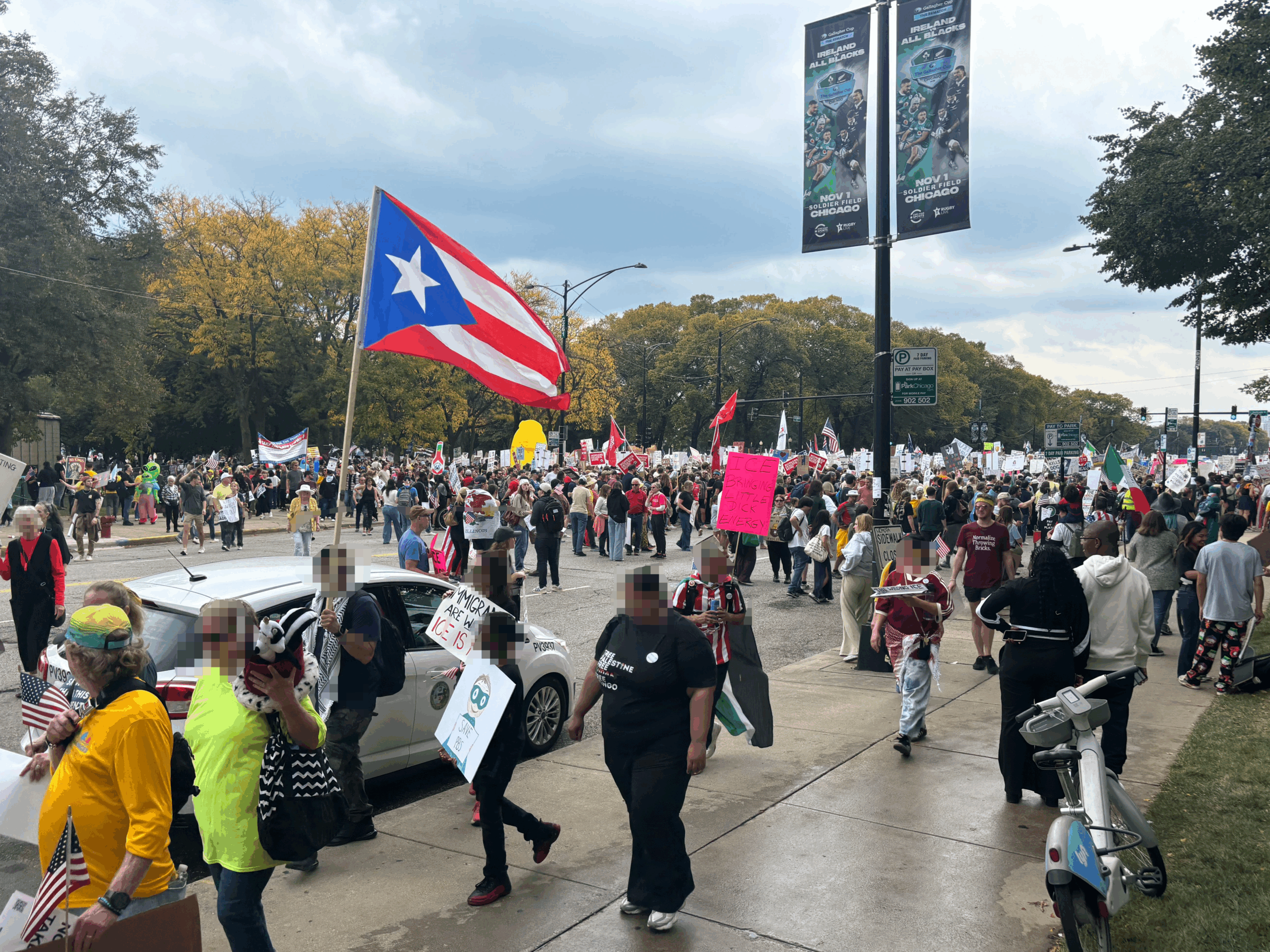
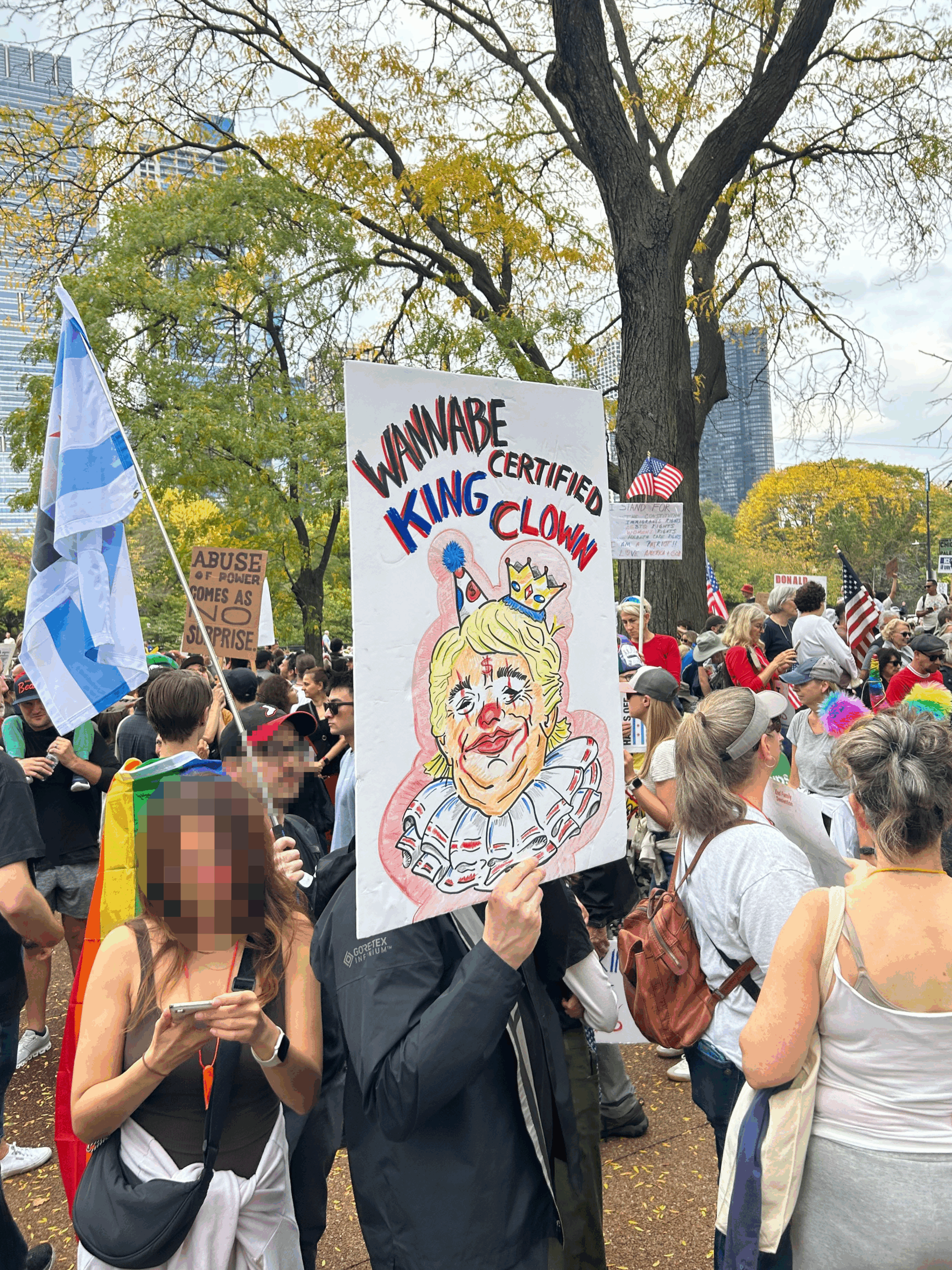
SAIC student Sydney Roland (BFA 2026) felt that the protest was more about creating hope and a sense of community rather than trying to enact effective change.
“There were so many people in so many different locations, it was almost unfathomable… It definitely felt corporate; there was huge branding everywhere, and even a DJ, which felt a bit strange. I do understand, though, that that’s the only way to get so many people to turn up in one place,” Roland said.
Roland also said the crowd was unlike the younger demographic at protests she attended throughout the year in support of Palestinians in Gaza, as there were many protestors above 30 years old.
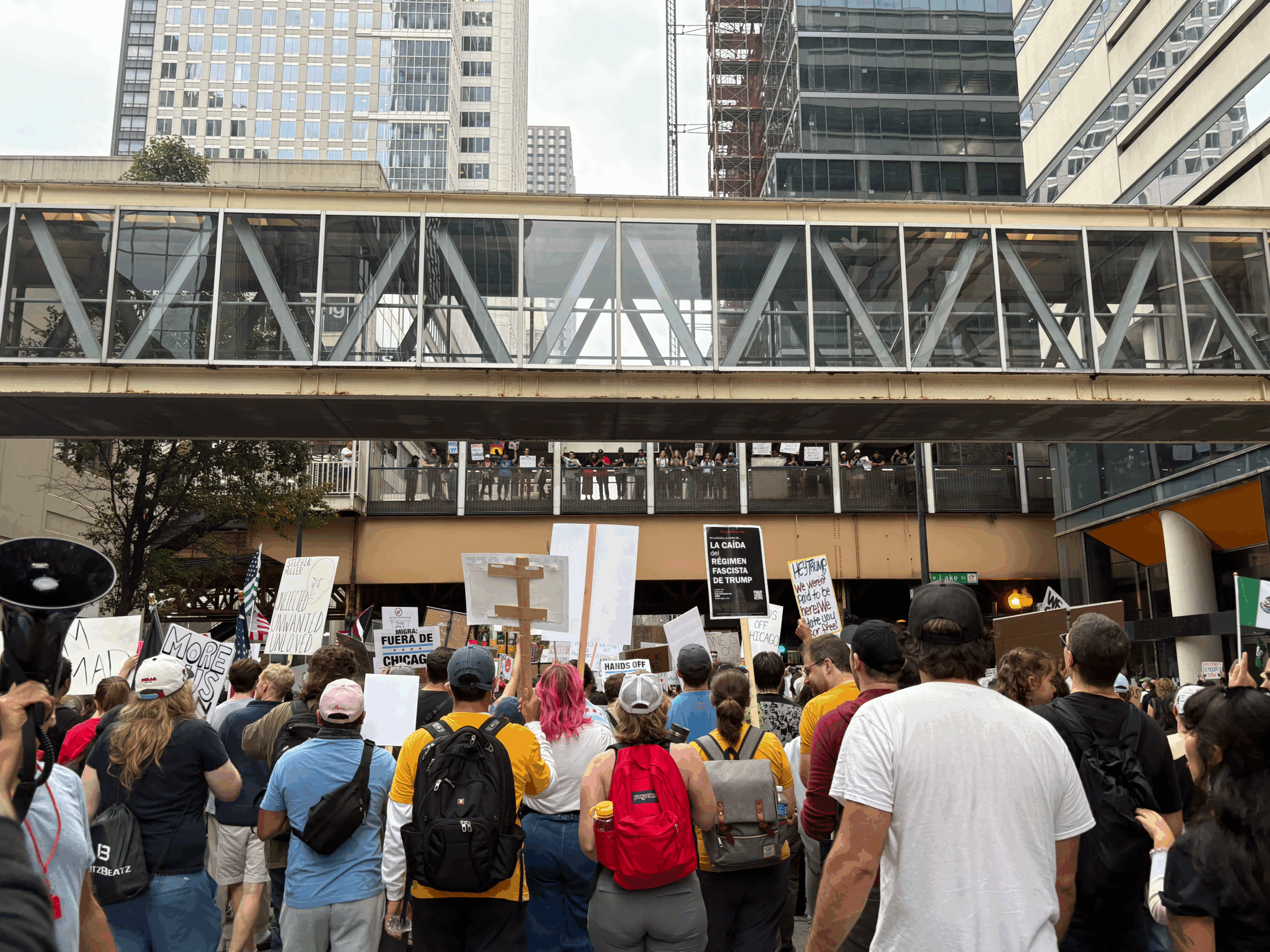
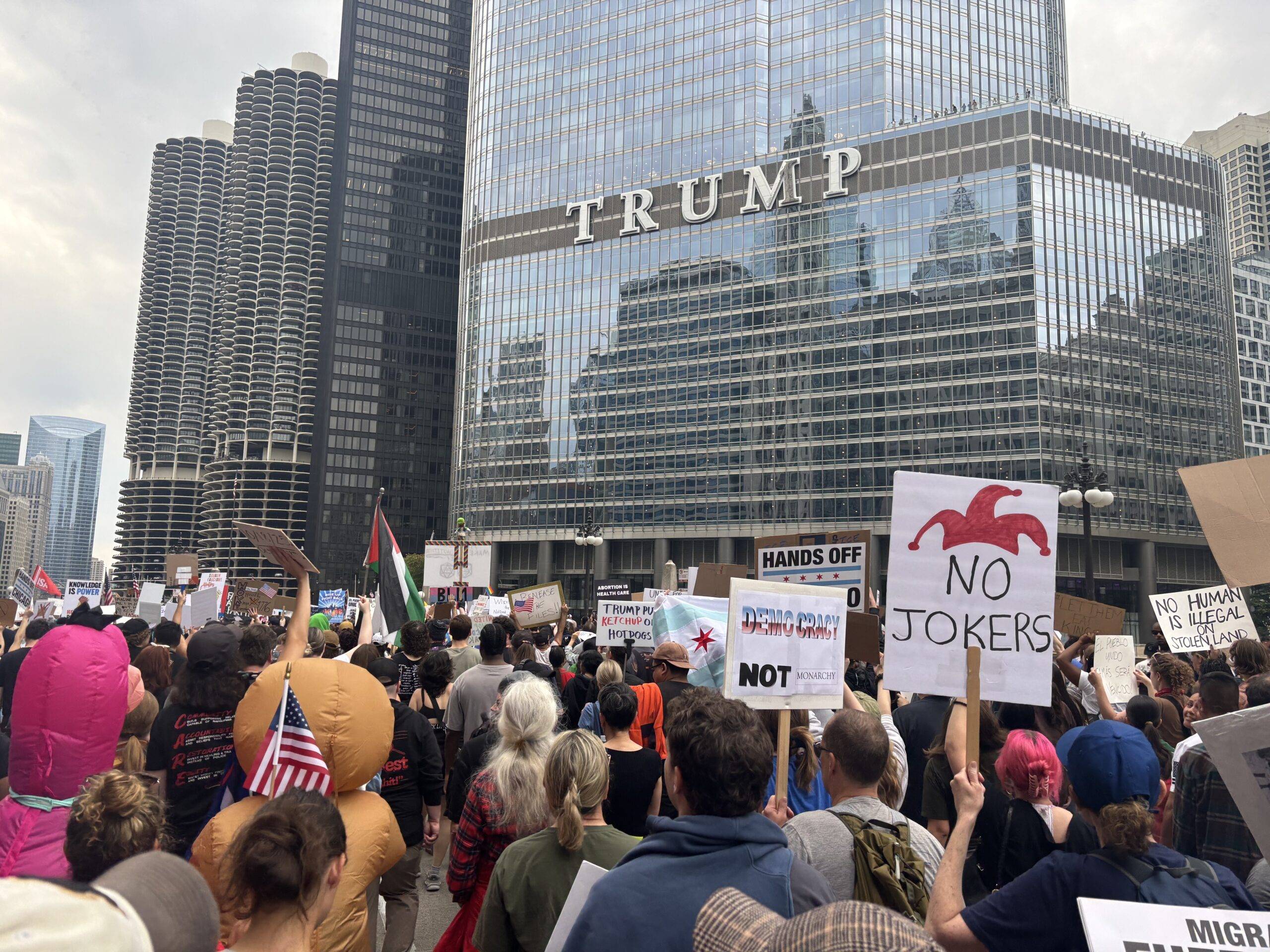
Rorem said that while they understood that many are “critical of the lack of demands or concrete change that came from the protest,” it felt like “an incredibly necessary morale boost that encourages us to keep fighting.”
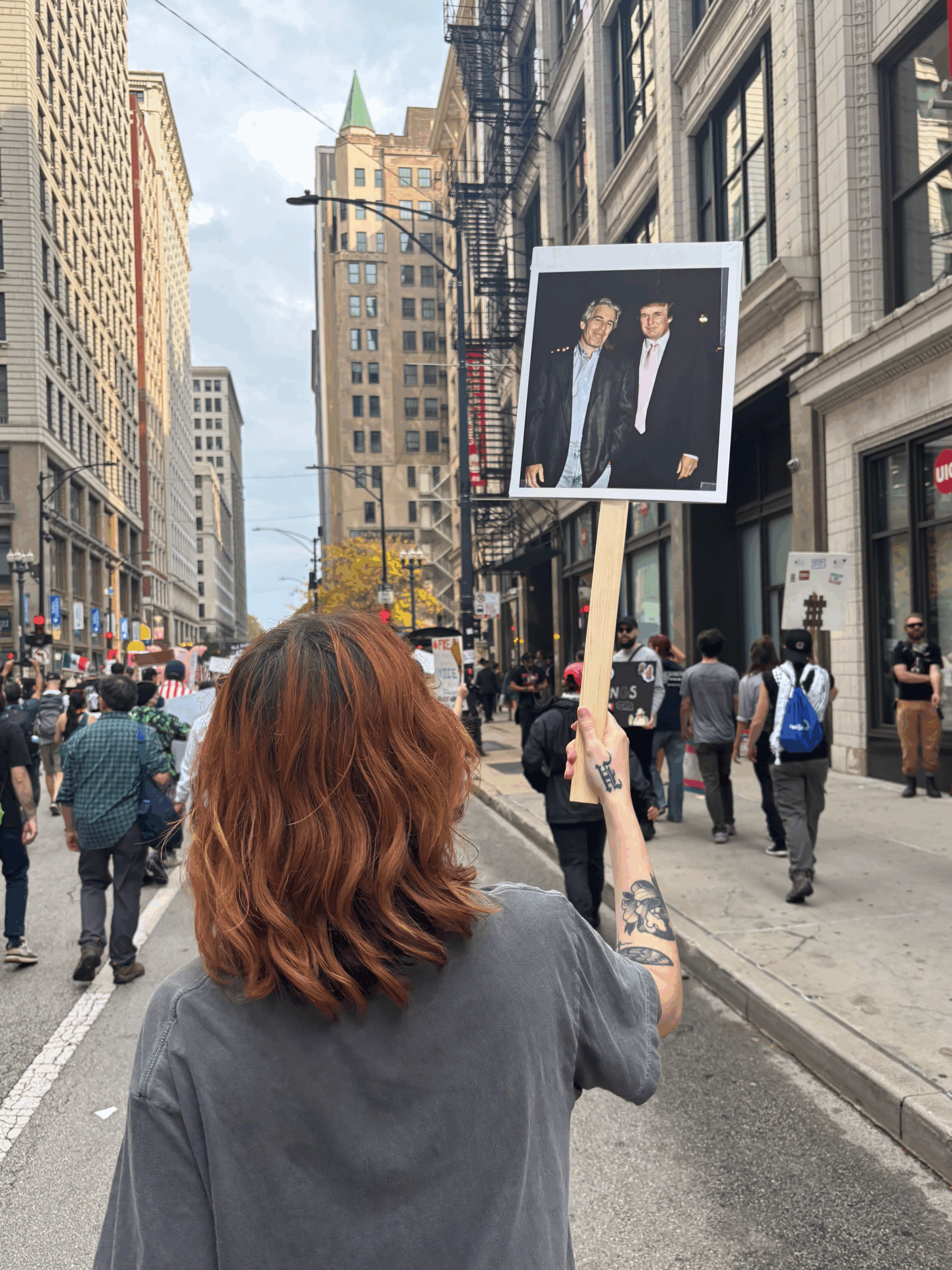
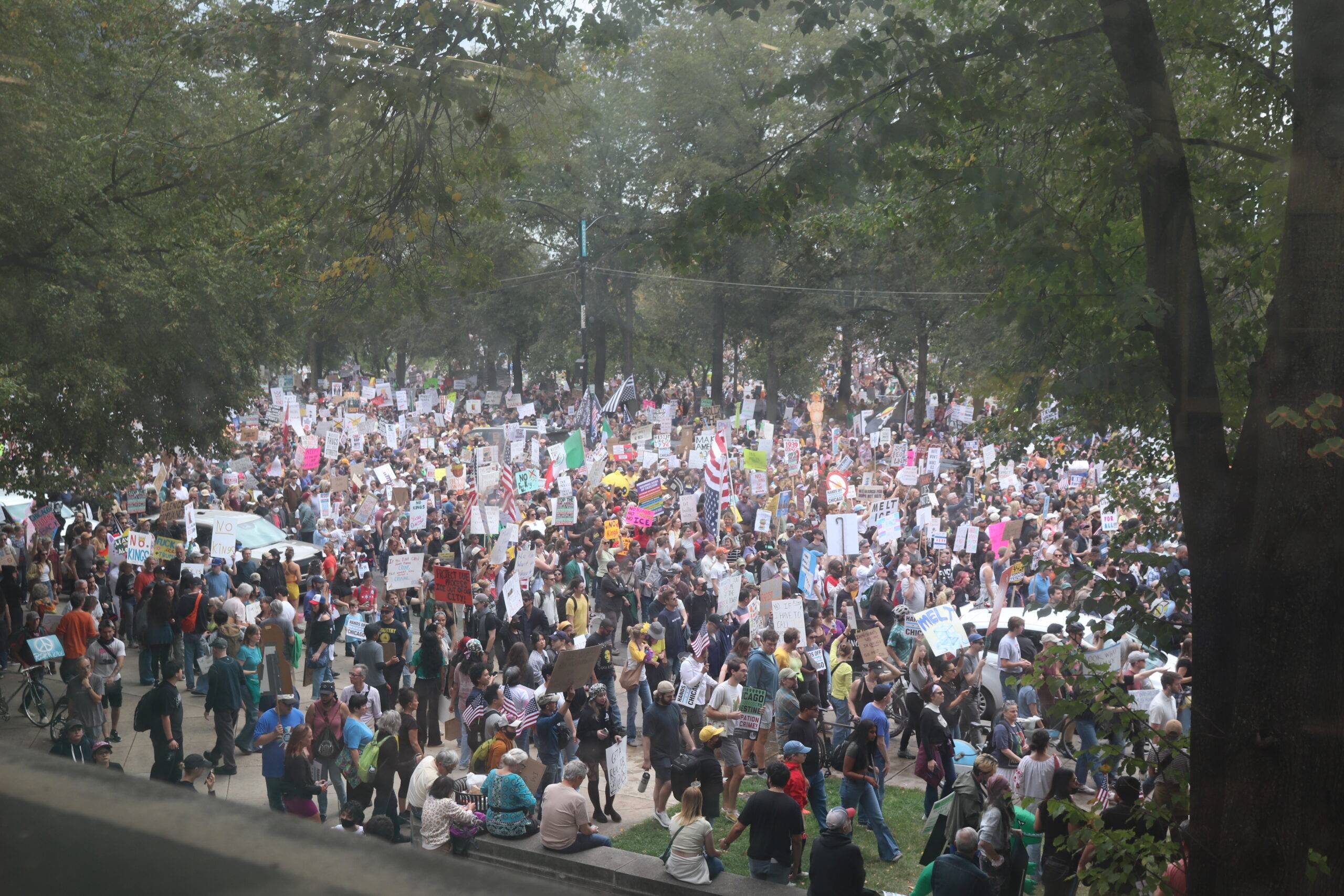
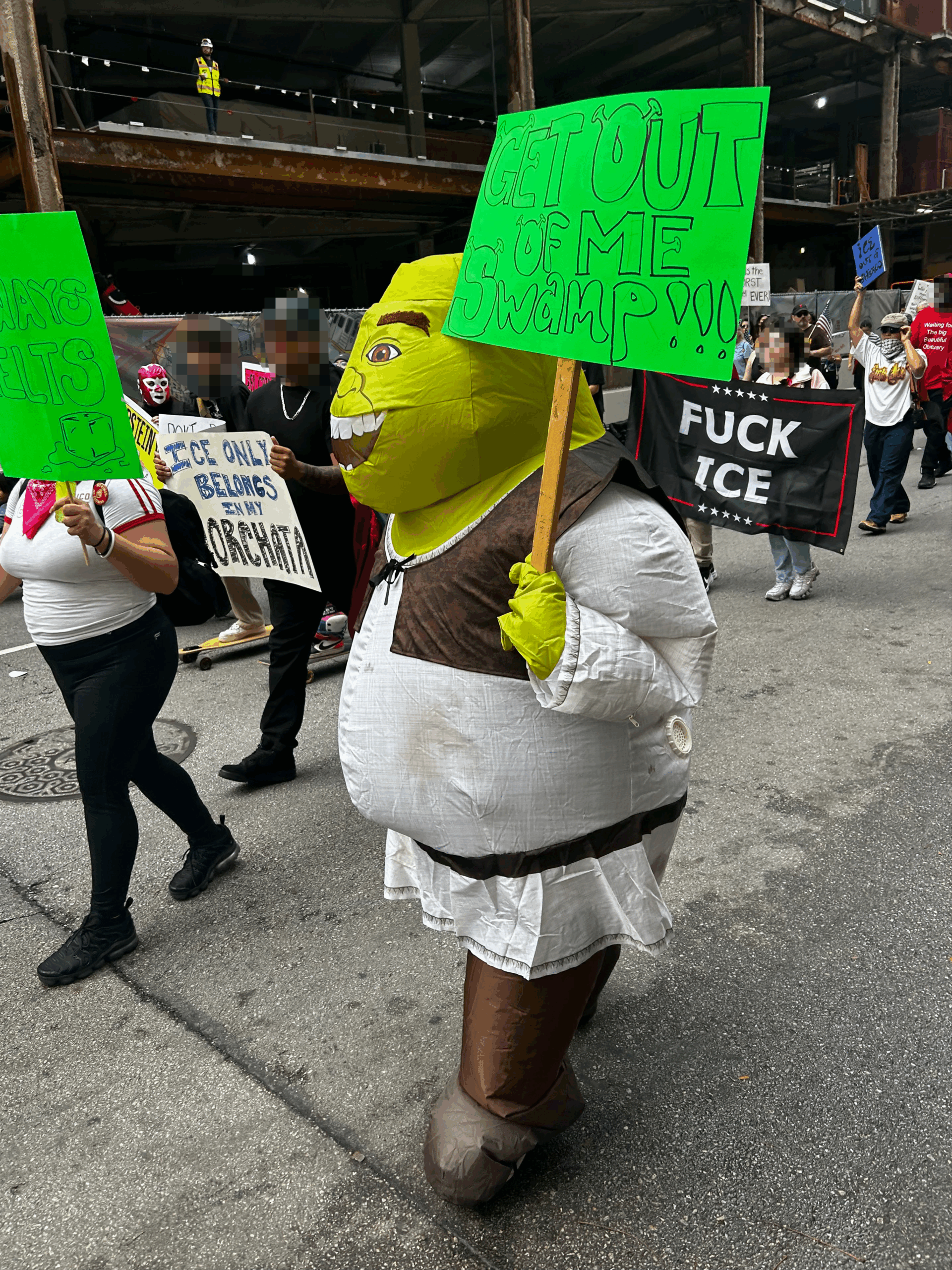
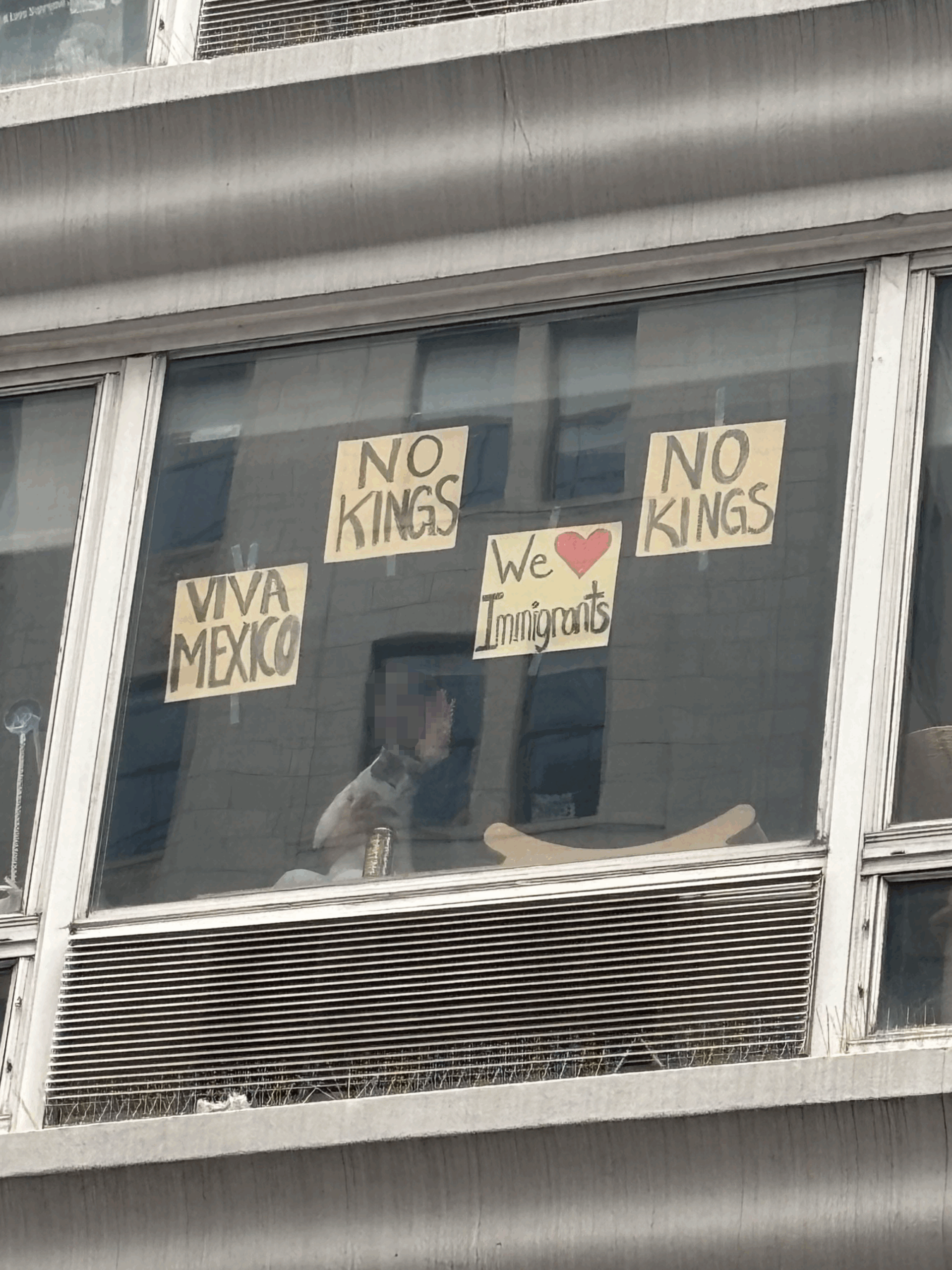
“The most beautiful part of attending the protest on Saturday was being able to be a part of a community who believes that collective resistance can still shape the future,” SAIC student Clara Bittle (BFA 2027) said.
Bittle said the energy was alive and passionate and that it is always a good feeling seeing the community come together, especially for the country’s political issues.
“We need change. The protest was an emphasis that we are all human beings,” Bittle said.